Whole-Home Zoning Organization: 5 Spaces Linked Design for Small Apartments
Discover how to link kitchen, bathroom, bedroom, home office, and balcony into a cohesive storage system. Maximize every inch with smart zoning strategies for small apartment living.
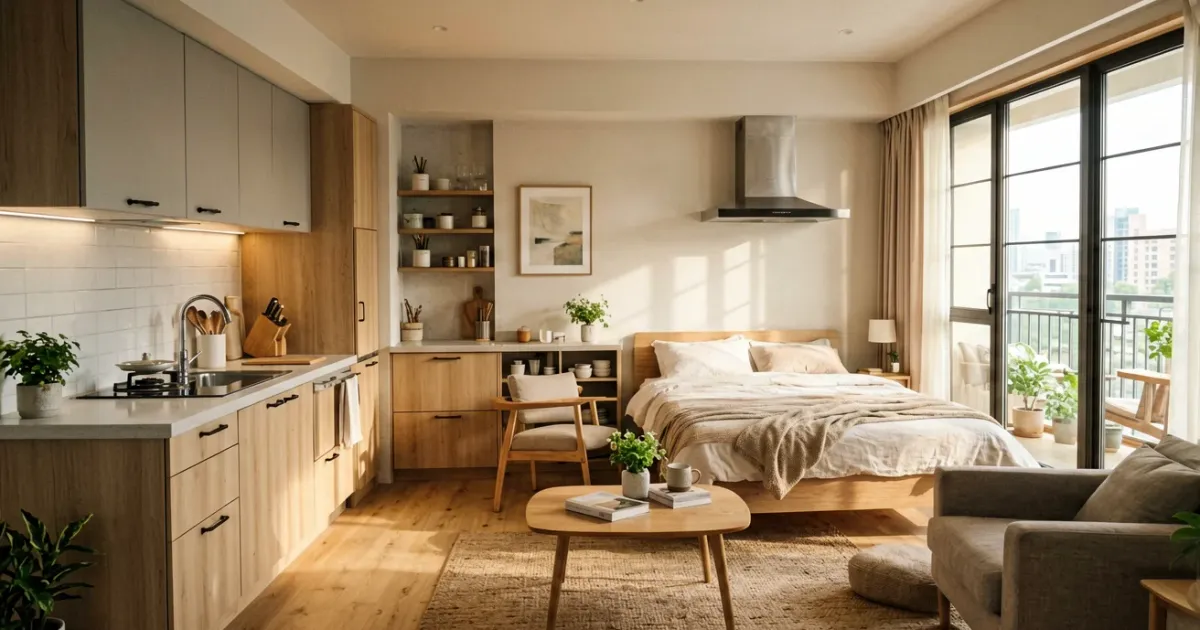
When I first moved into my 45-square-meter apartment, I treated each room as a separate entity—kitchen was just for cooking, bedroom for sleeping, and so on. It wasn't until I started treating the entire apartment as one interconnected system that I truly maximized my space. That's the secret to whole-home zoning organization: designing spaces that work together, not in isolation.
In small apartments, every square meter matters. The key is to create a cohesive storage strategy that connects your kitchen, bathroom, bedroom, home office, and balcony. Let me share how I transformed my apartment by linking these five spaces into one efficient system.
The Core Principle: Flow-Driven Design
Whole-home zoning is all about creating natural flow between spaces. Instead of thinking "this is the kitchen storage" and "that is the bedroom storage," ask yourself:
- How do I move between spaces?
- What items do I use across multiple areas?
- Can one storage solution serve multiple purposes?
This approach ensures that every piece of furniture and every storage solution earns its place in your home.
Zone 1: Kitchen - The Heart of the Home
The kitchen is where everything starts. Here's how to design it for maximum efficiency:
The Work Triangle Revisited
The classic kitchen work triangle (sink, fridge, stove) is more important than ever in small spaces:
- Keep the distance between each point between 1.2-2.7 meters
- Place frequently used items within arm's reach
- Store less frequently used items in upper cabinets
Connecting to Other Zones
- Store breakfast items near the kitchen entrance for easy access on your way to the dining/working area
- Keep snacks in a portable container that can move between kitchen and home office
- Use a rolling cart to transport items between kitchen and balcony (for gardening supplies or outdoor dining)
Zone 2: Bathroom - The Refresh Zone
Bathrooms in small apartments are often tiny, but they can be incredibly functional with smart design:
Vertical Storage is Key
- Install over-the-toilet storage for linens and toiletries
- Use wall-mounted cabinets instead of floor-standing ones
- Add a medicine cabinet with mirrored doors for double functionality
Connecting to Other Zones
- Store towels near the bathroom entrance for easy access when exiting
- Keep cleaning supplies in a caddy that can move between bathroom and kitchen
- Use a waterproof storage solution for toiletries that can also be used in the bedroom
Zone 3: Bedroom - The Rest Zone
The bedroom should be a sanctuary, but it also needs to be functional:
Dual-Purpose Furniture
- Use a storage bed with drawers underneath for extra linens and seasonal clothing
- Add a nightstand with built-in charging stations for electronics
- Install a closet system that maximizes vertical space
Connecting to Other Zones
- Keep a small basket near the bedroom door for items that belong in other rooms
- Store pajamas and loungewear near the bathroom for easy access
- Use the bedroom closet for items that are used seasonally across the home
Zone 4: Home Office - The Productivity Zone
In small apartments, the home office is often part of the living room or bedroom. Here's how to make it work:
Dedicated Workspace
- Use a desk with built-in storage for papers and supplies
- Install a monitor arm to free up desk space
- Add a bookshelf that doubles as a room divider
Connecting to Other Zones
- Keep office supplies in a portable organizer that can move between home office and kitchen (for printing or scanning)
- Store reference books near the bedroom for evening reading
- Use the balcony as a secondary workspace when you need a change of scenery
Zone 5: Balcony - The Multi-Functional Zone
The balcony is the most versatile space in a small apartment. Here's how to maximize its potential:
Seasonal Storage
- Use weather-resistant cabinets for storing outdoor furniture and gardening
- Install wall-mounted shelves for potted plants and decor
- Keep a storage bench that doubles as seating
Connecting to Other Zones
- Store cleaning supplies that are used outdoors on the balcony
- Keep extra linens and towels in waterproof storage for easy access
- Use the balcony as an extension of the kitchen for outdoor dining during warm weather
Creating a Unified Storage System
Now that we've covered each zone, let's bring them together:
Color Coordination
- Use the same color scheme for storage containers across all zones
- Choose neutral colors like white, gray, or beige for a cohesive look
- Add pops of color with decor items that match throughout the home
Labeling System
- Use a consistent labeling system for all storage bins and containers
- Include both text and icons for easy identification
- Store a label maker in a central location for easy access
Cross-Zone Storage Solutions
Here are some storage solutions that work across multiple zones:
| Solution | Kitchen | Bathroom | Bedroom | Home Office | Balcony |
|---|---|---|---|---|---|
| Rolling Cart | ✅ Transporting items | ✅ Cleaning supplies | ✅ Laundry | ✅ Office supplies | ✅ Gardening |
| Storage Bins | ✅ Pantry items | ✅ Toiletries | ✅ Clothing | ✅ Documents | ✅ Seasonal items |
| Floating Shelves | ✅ Cookbooks | ✅ Towels | ✅ Decor | ✅ Books | ✅ Plants |
| Pegboard | ✅ Kitchen | ✅ Cleaning | ✅ Accessories | ✅ Supplies | ✅ Garden |
Common Pitfalls to Avoid
Based on my experience, here are the biggest mistakes people make:
- Overlooking Vertical Space: Don't forget to use walls and ceilings for storage
- Not Planning Flow: Think about how you move between spaces before designing
- Buying Too Many Storage Solutions: Quality over quantity—invest in multi-purpose items
- Ignoring Seasonal Changes: Plan for items that are used at different times of the year
- Forgetting Maintenance: A good storage system needs regular upkeep to stay organized
Final Thoughts
Whole-home zoning organization transformed my small apartment from a collection of cluttered rooms into a cohesive, functional living space. The key is to think beyond individual rooms and design a system where every space works together.
Start by mapping out your daily routines and identifying how you move between spaces. Then invest in multi-functional storage solutions that can serve multiple zones. With careful planning, even the smallest apartment can feel spacious and organized.
Remember, the goal isn't just to store items—it's to create a home that flows naturally and makes your daily life easier. When every space works together, you'll wonder how you ever lived without it.
Related Articles
Low-Maintenance Storage: 5 Designs for a Cleaner Small Apartment
Storage should save space AND save your time. Explore 5 low-maintenance storage designs that keep your small apartment cleaner with less daily effort.
The 80/20 Storage Rule: How to Apply the 'Hide 80%, Show 20%' Philosophy in Your Small Apartment
The 80/20 storage rule is 2026's hottest home organization philosophy. Learn how to hide 80% of your belongings and display 20% to make your small apartment feel spacious, tidy, and effortlessly stylish.
LDK Open Concept Design: How to Combine Living Dining Kitchen in 30㎡
Learn how to transform your small apartment with LDK open concept design. Combine living, dining, and kitchen into one fluid space for 30% more visual area.
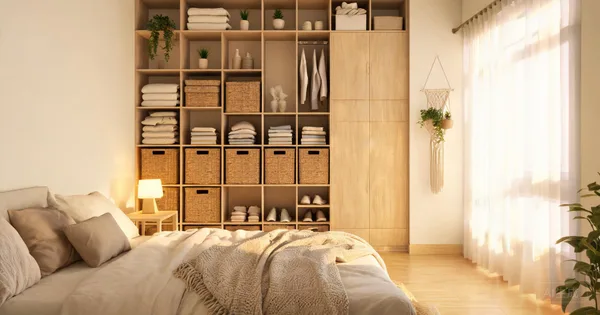
Adaptable Storage: Systems That Grow With Your Small Home
Lifestyles change—from solo to roommate to pets. Discover adaptable, modular storage systems that flex with your needs so you buy storage once.
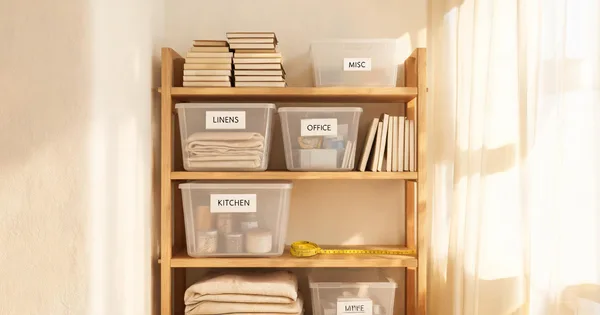
How Much Storage Do You Need? A Small Apartment Calculator
Not sure how many shelves or bins you really need? Use this simple storage calculator to plan your small apartment's storage by actual item volume.
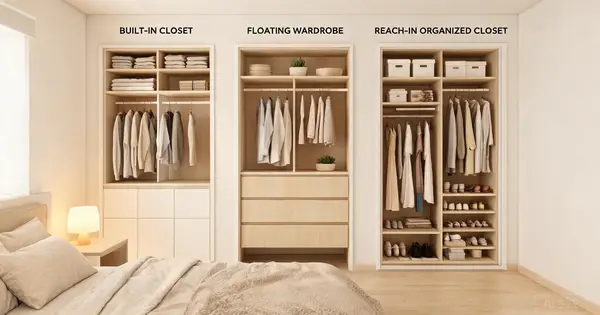
9 Closet Designs Compared: Best for Small Spaces 2026
From floor-to-ceiling built-ins to floating wardrobes — compare 9 small closet designs for 2026. Find the perfect space-saving solution for your apartment.