Low-Maintenance Storage: 5 Designs for a Cleaner Small Apartment
Storage should save space AND save your time. Explore 5 low-maintenance storage designs that keep your small apartment cleaner with less daily effort.
Two years ago I helped a client in a 30 m² studio who had bought nothing but open shelving. Every surface looked curated in real-estate photos. In real life, she spent forty-five minutes every weekend dusting the books, the frames, the spice jars, and the candle holders before she could even wipe a floor. Her storage looked good and cleaned terribly. That, in a sentence, is what I try to stop people from doing.
When I worked as an interior designer, a client almost never complained about running out of space. They complained about time. Cleaning is a tax you pay weekly on every exposed surface you own. The best small apartment storage does two jobs at once: it hides your stuff and it shrinks your cleaning list. Call it low-maintenance storage, or in Chinese terms, 去家务化 — "removing the housework." Here are five designs I actually spec out.
1. Floating Furniture With a Robot-Vacuum Gap
The single highest-impact change I recommend is lifting big furniture off the floor. A sofa, bed, or nightstand that sits flush with the floor traps dust, pet hair, and lost socks in a dark zone you can never reach. You end up dragging furniture once a month just to sweep behind it.
Instead, buy or build furniture with a clearance of 15–20 cm from the floor. That is the magic window: deep enough for a standard robot vacuum to slide under, high enough that the unit isn't visually lost. Suddenly the machine you were already running can clean places you used to do by hand on your knees.
In that same 30 m² studio, we swapped a platform bed for a raised frame with 18 cm of clearance. The room's daily path became fully cleanable in one automatic run. I pair this with a robot vacuum rated for the layout, which costs between $199 and $450 depending on the features.
For a quiet, reliable unit that handles a small floor plan well, I've had good results with mid-range models in the $249–$329 bracket.
2. Closed Cabinetry to Shrink the Dust Surface
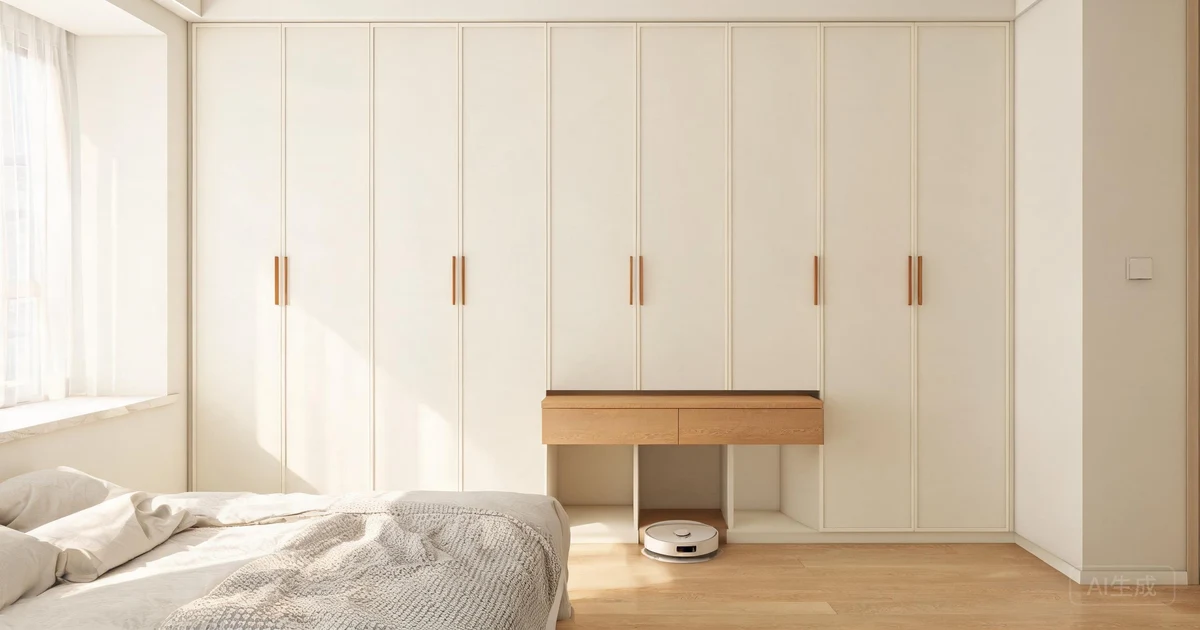
The open-shelf problem has a simple fix: put a door on it. Every square inch of shelf you expose to the air is a square inch you will dust by hand. Closed cabinets convert knickknacks, books, and pantry goods into flat, wipe-once-and-forget fronts.
Go floor-to-ceiling where you can. A full-height cabinet in one corner of the bedroom holds what three open shelving units did, with about one-tenth of the daily upkeep. Use solid or hinged doors, and pick hardware that doesn't collect grime. Recessed pulls beat protruding knobs.
Inside those cabinets, loose items still need homes. I use labeled bins so nothing drifts and dusty piles don't bloom in the dark. A set of clear stackable bins with lids runs about $12–$35 and keeps seasonal gear sorted without adding an inch of exposed surface.
3. Go Vertical to Free the Floor
In a small apartment, floor space is the expensive thing and wall space is basically free. Moving storage up the wall clears the floor of bins, baskets, and stacks that collect dust at ankle height and block your cleaning run.
Wall-mounted shelves and pegboards lift everyday tools — kitchen utensils, cosmetics, work materials — off the counter and put them at eye level. High shelves near the ceiling hold rarely used items in lidded boxes. Anything you raise off the floor is one less thing a robot vacuum has to work around.
For renters who can't drill, no-drill adhesive shelves and tension rod systems get the same result without leaving holes. Wall-mounted shelves run $18–$60 depending on width and load. In my client's studio, moving a single tall shelf unit to the wall freed roughly 1.2 square meters of floor to the vacuum.
4. Plan a Robot-Vacuum Lane
A robot vacuum only saves you time if it can actually reach the rooms you want cleaned. That means designing an unobstructed lane from the front door to every corner: no clothes piles, no cables crossing the walking path, no low furniture it has to detour around.
When I lay out a 30 m² studio, I draw a virtual cleaning loop and refuse to let storage break it. Beds and desks sit high enough to pass under. Rug edges are flush or thin enough not to catch the brush. Cables route along the baseboard rather than across the floor. Result: one daily run cleans the entire living and sleeping zone with no human input.
Keep the unit's dock in a spot with clearance on both sides, and run the vacuum at night or while you're out. My client ditched her weekend sweeping ritual entirely within two weeks.
5. Choose Materials That Don't Demand Labor
Materials matter more than people think. A matte white particleboard shelf shows every smudge; a textured surface hides them. For low-maintenance small apartment storage, I steer clients away from glass doors and bare wood veneer on high-touch surfaces.
Prefer painted or laminate finishes that wipe with a damp cloth, and fabrics that pop straight in the wash for soft storage. Slipcovers and machine-washable bins mean color-changing seasonal decor costs you a load of laundry instead of a scrubbing session. Keep at least one cabinet door opaque so a slightly messy shelf never becomes a visible chore.
Under-bed bins with wheels let you store bulky seasonal gear while keeping it reachable — no crawling. A pair of rolling under-bed containers runs about $22–$48 and saves you the bend-and-stretch routine every time the seasons change.
Conclusion
Storage that costs you an hour of cleaning a week isn't winning. The low-maintenance approach is simple: float your furniture high enough to vacuum under it, close off your shelving, push storage up the wall, keep a clear robot lane, and pick wipeable materials. Do those five things and the same apartment that looked tidy but drained your weekends becomes one you spend less than twenty minutes a week maintaining.
Start with the easiest change — lifting one piece of furniture off the floor and letting your robot vacuum do the rest. For more on cutting daily upkeep, revisit how to reduce clutter before it ever becomes a surface. A cleaner small apartment, in the end, is mostly a smarter storage plan.
Related Articles
Whole-Home Zoning Organization: 5 Spaces Linked Design for Small Apartments
Discover how to link kitchen, bathroom, bedroom, home office, and balcony into a cohesive storage system. Maximize every inch with smart zoning strategies for small apartment living.
How Much Storage Do You Need? A Small Apartment Calculator
Not sure how many shelves or bins you really need? Use this simple storage calculator to plan your small apartment's storage by actual item volume.
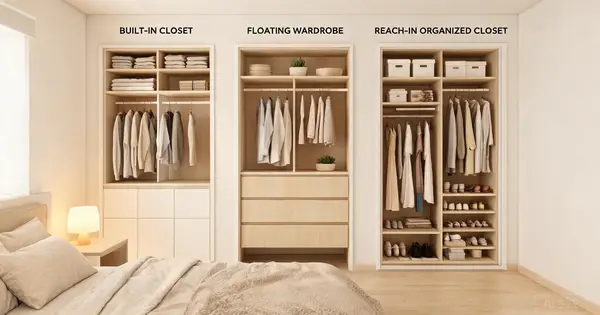
9 Closet Designs Compared: Best for Small Spaces 2026
From floor-to-ceiling built-ins to floating wardrobes — compare 9 small closet designs for 2026. Find the perfect space-saving solution for your apartment.
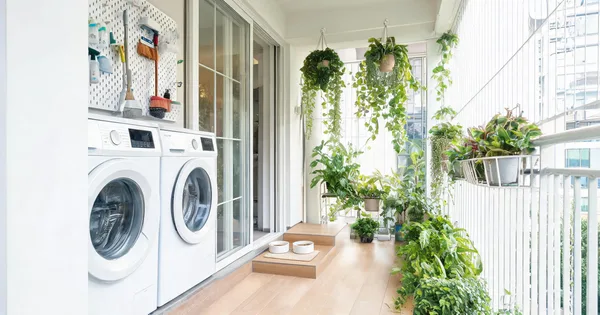
Multi-Purpose Balcony: Laundry, Cleaning, Pets & Plants in One
Your balcony can be more than a drying rack. Design one zone that holds a washer-dryer, cleaning tools, pet supplies, and plants without them fighting.
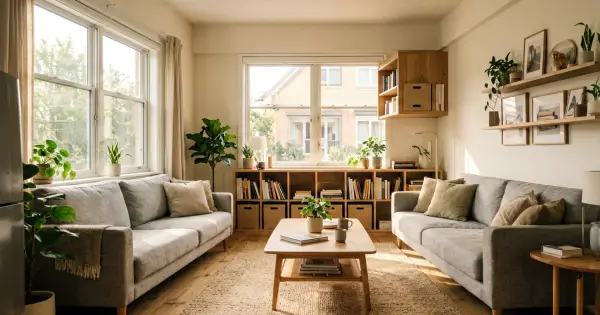
The 80/20 Storage Rule: How to Apply the 'Hide 80%, Show 20%' Philosophy in Your Small Apartment
The 80/20 storage rule is 2026's hottest home organization philosophy. Learn how to hide 80% of your belongings and display 20% to make your small apartment feel spacious, tidy, and effortlessly stylish.
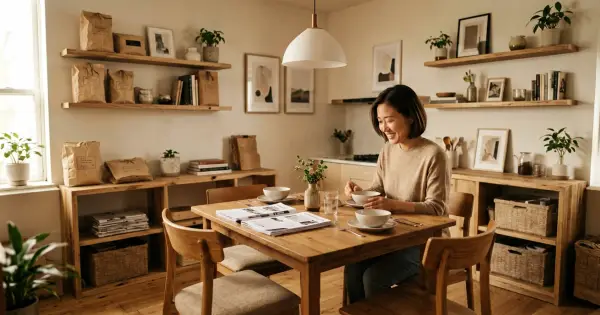
Small Dining Room Storage: 10 Solutions for Your Apartment
Your small dining table is buried under mail, groceries, and clutter. Discover 10 smart storage solutions for small dining rooms — from wall shelves to multi-functional furniture.