How Much Storage Do You Need? A Small Apartment Calculator
Not sure how many shelves or bins you really need? Use this simple storage calculator to plan your small apartment's storage by actual item volume.
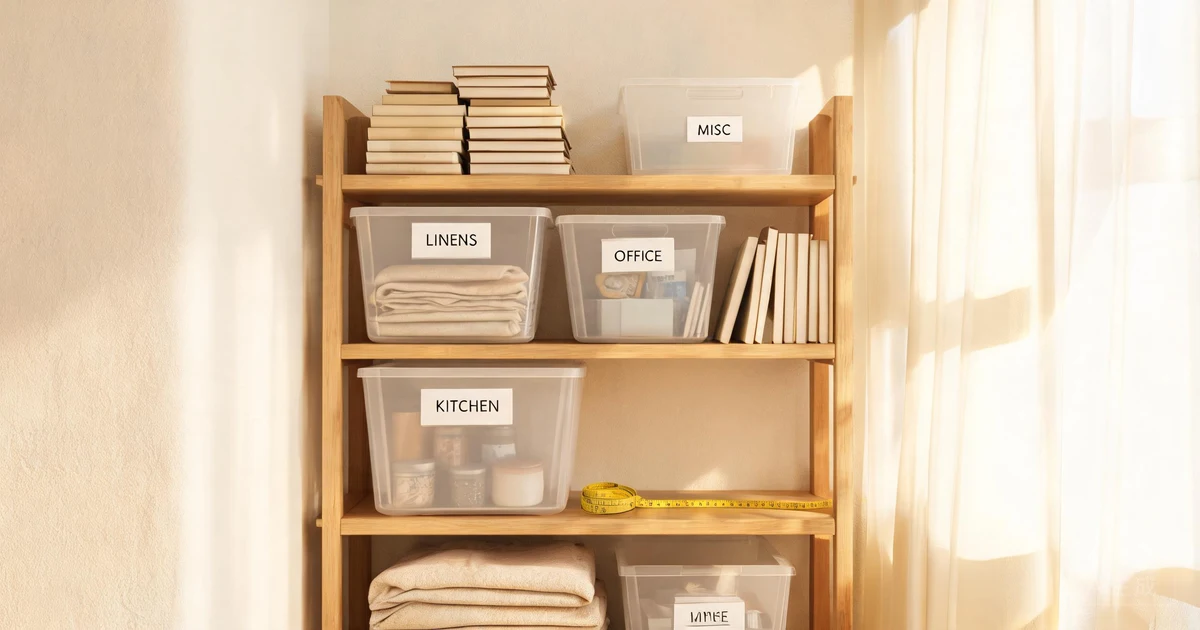
I lost count of how many bins I bought before I figured this out. When I moved into my first 32-square-meter studio, I kept guessing. Too many shelves meant wasted floor space. Too few meant boxes stacked on the floor in front of my closet. It took me three years and about 200 products to realize the answer was not a better box. It was a better number.
Here is the thing nobody tells you about small-apartment storage: nobody tells you what to buy, so everyone buys too much. Or too little. Both cost money you do not have in a rental. So I built a storage calculator from the data I collected while testing containers. In this guide I share the exact method I use every time now. You count items, measure their volume, assign layers by how often you use them, and only then decide what to buy. The data does not lie.
1. Take Inventory by Category
Before anything fits on a shelf, you need a complete list of what you own. Do not organize yet. Just count. Grab a notebook or a text file and walk through your apartment room by room.
Sort everything into five categories:
- Clothing and accessories (folded, hung, shoes, bedding)
- Books and paper (reading books, files, documents, magazines)
- Appliances and electronics (cooktop tools, cables, chargers, gadgets)
- Food and kitchen staples (pantry items, spices, canned goods)
- Miscellaneous (medicines, cleaning supplies, seasonal items, memorabilia)
For each category, write down the item count and a rough size class. Small (a box of rice), medium (a stack of shirts), or large (a blender). I put a tally mark next to each size class. It sounds simple, but most people I help skip this step and end up buying containers that fit nothing.
Lists make your storage needs measurable. A full wardrobe rack, three stacks of cookbooks, and a bin of cables are very different problems. Write it all down before you even think about a single box.
2. Estimate Volume and Quantity
Now turn items into numbers. Volume equals the box capacity you actually need, and it decides how many shelves and bins to buy.
A practical way I measure in a real apartment: use a tape measure and a rough cubic-feet or liter estimate. A standard folded T-shirt stack takes about 0.5 cubic feet. A stack of ten hardcover books takes roughly 0.3 cubic feet. A small kitchen appliance like a toaster takes about 0.8 cubic feet.
Walk each category and write a rough total volume. If you are boxing food, remember to measure the packaging, not what fits inside. A 10-gallon clear bin that looks huge still only holds whatever volume it can physically contain.
Clear storage bins make this step easier because you can see exactly how much fits and where the extra space gets wasted.
3. Assign Shelf Layers by Frequency of Use
Space is split into zones by how often you touch something. Frequency decides which layer each item lives on. It is the difference between a system that stays clean and one that collapses in a week.
Use a simple tier system in any closet or cabinet:
- Top layer (rare use): seasonal clothes, luggage, decoration. Expect to reach these once a month or less.
- Middle layer (daily use): dishes, staple food, everyday clothes, electronics. Reach every single day.
- Bottom layer (rolling or occasional): heavy appliances, cleaning supplies, bins. Pull out a few times a week.
The middle layer is the smallest and most valuable. Give it the most accessible shelf. Bottles and cans and spices go there. Seasonal sweaters and extra bedding go high. Heavy cleaning buckets go low so you never lift them over your head.
This tier system works for the whole apartment, not just a closet. Lid your bins by category and frequency in one pass, and you avoid the daily hunt that turns a tidy home into a floor full of open boxes.
4. Calculate Shelves, Bins, and the Formula
Here is the actual formula I test everything against:
Required shelf length = Total item volume / Usable depth
Where Usable depth is the shelf depth minus any backboard or spacing you lose. A standard shelf that is 30 cm deep gives you about 25 cm of usable depth for bins.
Counting bins works the same way. Estimate the bin volume, divide your total volume by that number, and round up to the nearest whole unit. Leave about 10 percent of headroom for items you will add later.
For a concrete example: your Miscellaneous bin holds 5 cubic feet total. A 10-gallon clear bin holds roughly 1.3 cubic feet. 5 / 1.3 = about 4. So you need four bins for that category alone, not the six you initially grabbed.
Pulling the exact count first keeps your budget realistic. Pick bins and under-bed containers that match your measured volumes, not your hopeful imagination.
5. Execute, Then Adjust the Math
Your first count is never final. Execute the plan, live with it for two weeks, and re-measure what changed.
Two-week checkpoints work well:
- Week one: everything goes to its assigned layer. Note what you reach for daily.
- Week two: move anything that feels wrong. Adjust the shelf height and rearrange by frequency again.
A kitchen cabinet is a good place to start because it fills and empties fast. If plates and food fight for the same layer, the shelf riser probably does more than a new box.
Keep that small notebook going. Every time you add or remove a category, refresh the volume and shelf count. The plan stays relevant only as long as the numbers do.
Conclusion
The secret to small-apartment storage is not buying more. It is counting first. Inventory by category, measure volume, assign shelf layers by how often you use things, run the shelf-and-bin formula, then adjust after two weeks of real use. Do that once and you will stop over-buying bins and under-using shelves. The data does not lie, and neither does a well-measured shelf.
Related Articles
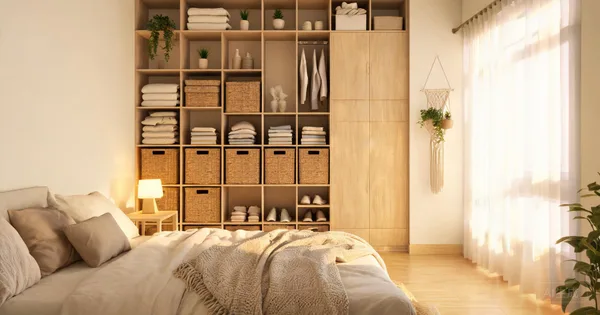
Adaptable Storage: Systems That Grow With Your Small Home
Lifestyles change—from solo to roommate to pets. Discover adaptable, modular storage systems that flex with your needs so you buy storage once.
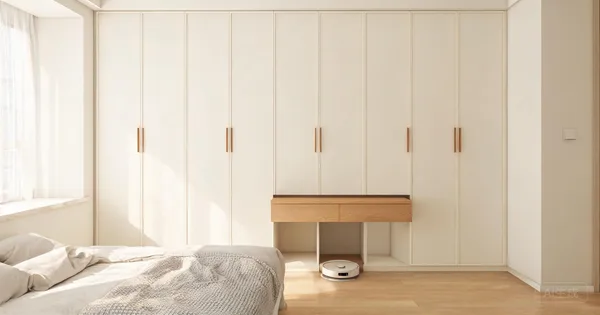
Low-Maintenance Storage: 5 Designs for a Cleaner Small Apartment
Storage should save space AND save your time. Explore 5 low-maintenance storage designs that keep your small apartment cleaner with less daily effort.
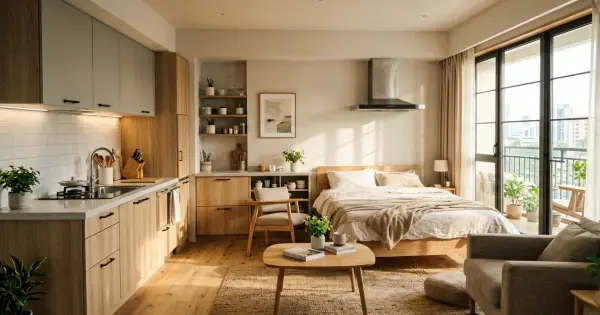
Whole-Home Zoning Organization: 5 Spaces Linked Design for Small Apartments
Discover how to link kitchen, bathroom, bedroom, home office, and balcony into a cohesive storage system. Maximize every inch with smart zoning strategies for small apartment living.
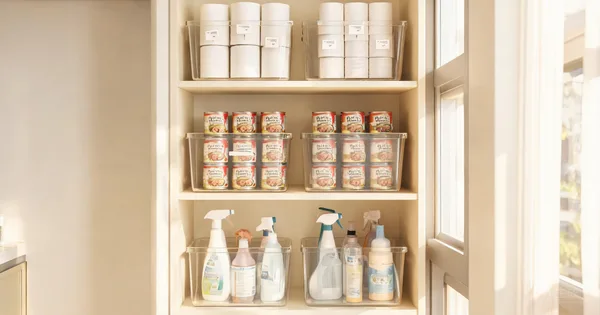
How to Store Bulk Items in a Small Apartment
Stocking up on paper towels and cleaning supplies shouldn't mean clutter. Learn how to manage bulk storage in a small apartment with a smart zone system.
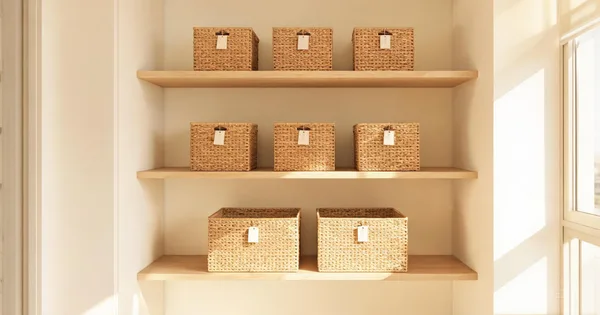
Guest-Ready in 10 Minutes: Storage for Quick Cleanups
What if friends texted and said they're coming over in 10 minutes? Build a guest-mode storage system so your small apartment looks tidy fast and stress-free.
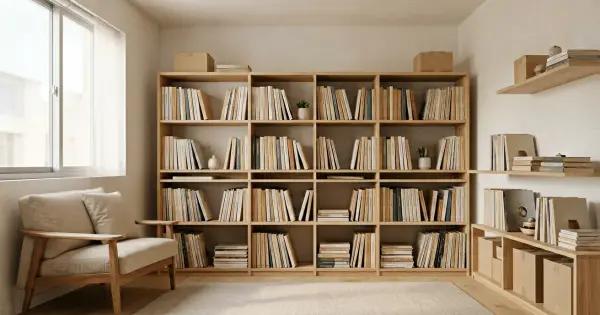
Display, Don't Hide: 200+ Books & Vinyl in a Studio
I display 200+ books and vinyl records in my 28sqm studio without losing floor space. Here is my 4-zone system, lighting tricks, and the shelves that survived 2 moves.