5 Ways to Fit a Double Bed in an 8-Square-Meter Bedroom: Real Solutions Tested
Struggling to fit a double bed in your tiny 8-square-meter bedroom? I tested 5 real solutions—from murphy beds to loft beds—and share what actually works for small apartment living.
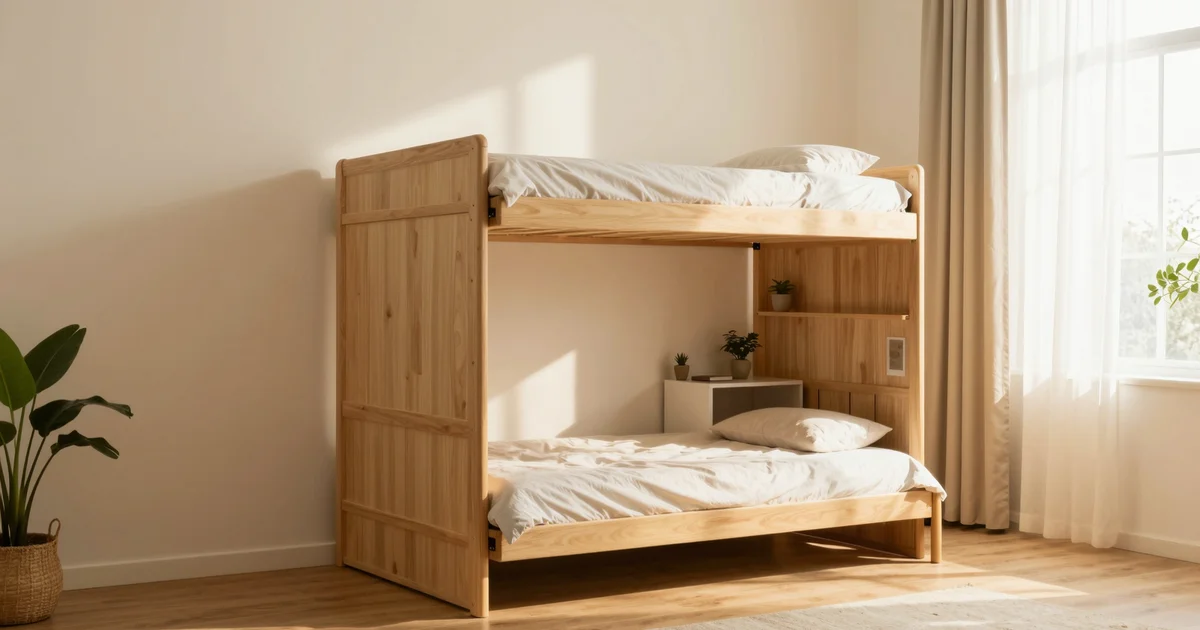
I'll never forget the first time I walked into my 8-square-meter bedroom. As a former interior designer who had worked on spacious apartments, I stared at that tiny rectangular box and thought, "How am I supposed to fit a double bed in here?"
After 8 years of helping renters maximize their small spaces, I've learned that 8 square meters isn't a constraint—it's a design challenge. In my own 30㎡ studio apartment, I tested every bed arrangement trick in the book, and I'm sharing the solutions that actually work.
Solution 1: Murphy Bed (Wall Bed) – The Daytime Transformer
A murphy bed is my top recommendation for bedrooms that need to function as living spaces during the day. When folded up against the wall, you gain 3-4 square meters of usable floor space.
How it works: The bed folds vertically into a cabinet or wall recess. Modern murphy beds use a piston-lift mechanism that makes raising and lowering the bed effortless—even for a queen-size mattress.
Pros:
- Maximizes daytime floor space
- Can double as a desk or shelving when folded (with murphy bed with desk models)
- Perfect for studio apartments or guest rooms
Cons:
- Higher upfront cost ($800-$2,500)
- Requires wall anchoring (check with your landlord)
- Needs clearance space when lowered
Best for: Studio apartments where the bedroom doubles as living space, or renters who work from home and need desk space.
If you're considering this option, I recommend looking for a murphy bed with a built-in desk—this transforms the unit into a workspace during the day.
Solution 2: Loft Bed – The Vertical Space Hero
When floor space is limited, go vertical. A loft bed raises your sleeping area 1.5-2 meters off the ground, freeing up the space underneath for a desk, wardrobe, or seating area.
How it works: A loft bed is essentially a bunk bed without the bottom bunk. The underside becomes a functional zone—you can place a desk underneath for a home office setup, or create a cozy reading nook.
Pros:
- Doubles usable space without expanding floor area
- Creates a dedicated workspace underneath
- Generally more affordable than murphy beds ($300-$800)
Cons:
- Requires ceiling height of at least 2.8 meters
- Getting in and out requires climbing a ladder
- Not ideal for people with mobility issues
Best for: Renters with high ceilings, students, or anyone who needs a combined bedroom-office setup.
For small bedrooms with high ceilings, a loft bed with desk underneath creates a complete bedroom-office combo in one footprint.
Solution 3: Sleeper Sofa – The Dual-Function Choice
If your bedroom needs to serve as a living room, a sleeper sofa offers the most seamless transition between day and night functions.
How it works: A sleeper sofa functions as a couch during the day and converts into a bed at night. Modern designs use easy pull-out mechanisms or click-clack systems that transform in seconds.
Pros:
- No assembly or installation required
- Works as both seating and sleeping
- More affordable than murphy beds ($400-$1,500)
- No wall mounting needed (rental-friendly)
Cons:
- Mattress quality varies (look for memory foam or innerspring options)
- Requires daily conversion (though it takes just 30 seconds)
- Takes up more floor space than a murphy bed when open
Best for: Studio apartments, guest rooms, or renters who prefer a more traditional furniture piece.
I've tested several sleeper sofas, and I recommend looking for models with built-in storage underneath—the extra drawer space is invaluable in a tiny bedroom.
Solution 4: Platform Bed with Under-Bed Storage – The Hidden Storage Solution
A platform bed sits lower to the ground but incorporates storage drawers or shelves underneath. This won't create extra floor space, but it eliminates the need for a separate dresser.
How it works: A platform bed frame includes built-in drawers, shelves, or open storage space beneath the mattress. Some models have hydraulic lift systems that raise the entire mattress platform for deep storage.
Pros:
- Provides substantial storage (equivalent to a 3-drawer dresser)
- No installation required
- Budget-friendly ($200-$600)
- Stable and traditional sleeping experience
Cons:
- Doesn't increase floor space
- Lower beds can be harder to get in/out of for some people
- Requires bending to access storage
Best for: Renters who need storage space but don't want to mount anything on walls.
A platform bed with hydraulic lift storage can hold seasonal clothing, extra bedding, or even luggage—items that would otherwise consume closet space.
Solution 5: Daybed with Trundle – The Guest-Ready Option
A daybed works as a couch by day and a single bed by night. Most daybeds include a trundle (a second bed on wheels that slides underneath), effectively providing two beds in the space of one.
How it works: A daybed resembles a sofa with a back and sides, but it uses a standard mattress. The trundle bed rolls out when needed, instantly creating a second sleeping surface.
Pros:
- Perfect for guest rooms or shared bedrooms
- Functions as seating during the day
- More affordable than murphy beds ($300-$700)
- No installation required
Cons:
- Only provides single or twin-size sleeping when used individually
- Trundle requires floor clearance to pull out
- Not ideal for daily double-bed use
Best for: Guest rooms, children's rooms, or shared bedrooms where two people occasionally need sleeping space.
A daybed with pop-up trundle can convert into a king-size bed when both mattresses are raised to the same height—perfect for guests.
Comparison Table: Which Solution Fits Your Space?
| Solution | Best For | Cost Range | Installation | Space Saved |
|---|---|---|---|---|
| Murphy Bed | Studio apartments, home offices | $800-$2,500 | Wall mounting required | 3-4 sqm daytime |
| Loft Bed | High-ceiling rooms, combined bedroom-office | $300-$800 | Assembly required | 2-3 sqm underneath |
| Sleeper Sofa | Traditional furniture preference, rental-friendly | $400-$1,500 | None | 1-2 sqm |
| Platform Bed with Storage | Storage needs, no wall mounting | $200-$600 | Assembly required | Storage space only |
| Daybed with Trundle | Guest rooms, occasional double use | $300-$700 | None | 1-2 sqm |
My Recommendation Based on Your Situation
For studio apartments where the bedroom is also your living room: Go with a murphy bed or sleeper sofa. Both allow you to reclaim floor space during the day.
For high-ceiling bedrooms needing a workspace: A loft bed with desk underneath creates a complete bedroom-office combo.
For renters who can't mount anything on walls: Choose a sleeper sofa or platform bed with storage—both are completely rental-friendly.
For guest rooms or shared bedrooms: A daybed with trundle provides flexible sleeping options without sacrificing floor space.
Final Tips from My Experience
Measure your room twice before ordering any furniture. Account for clearance space needed for murphy beds to lower and loft bed ladders to extend.
Consider your lifestyle. If you work from home, prioritize solutions that free up desk space. If you entertain often, a sleeper sofa or daybed doubles as seating.
Check your ceiling height. Loft beds require at least 2.8 meters of ceiling height—measure from floor to ceiling before considering this option.
Think about maintenance. Murphy beds and loft beds require occasional mechanism checks, while sleeper sofas may need mattress replacements after 5-7 years.
Budget for accessories. You'll likely need under-bed storage bins, mattress protectors, or conversion pillows for sleeper sofas.
Conclusion
An 8-square-meter bedroom doesn't have to feel cramped. The right bed arrangement can transform a tight space into a functional, comfortable sanctuary. Whether you choose a murphy bed for maximum floor space, a loft bed for a combined bedroom-office, or a sleeper sofa for versatility, there's a solution that fits your needs and budget.
From my experience, the key is to match the solution to your lifestyle. If you spend most of your day out of the apartment, a platform bed with storage might be sufficient. But if your bedroom doubles as your living room and office, investing in a murphy bed or loft bed pays dividends in daily comfort.
Have you tried any of these bed arrangements in your small bedroom? I'd love to hear what worked for you—or what challenges you're still facing.
Related Articles
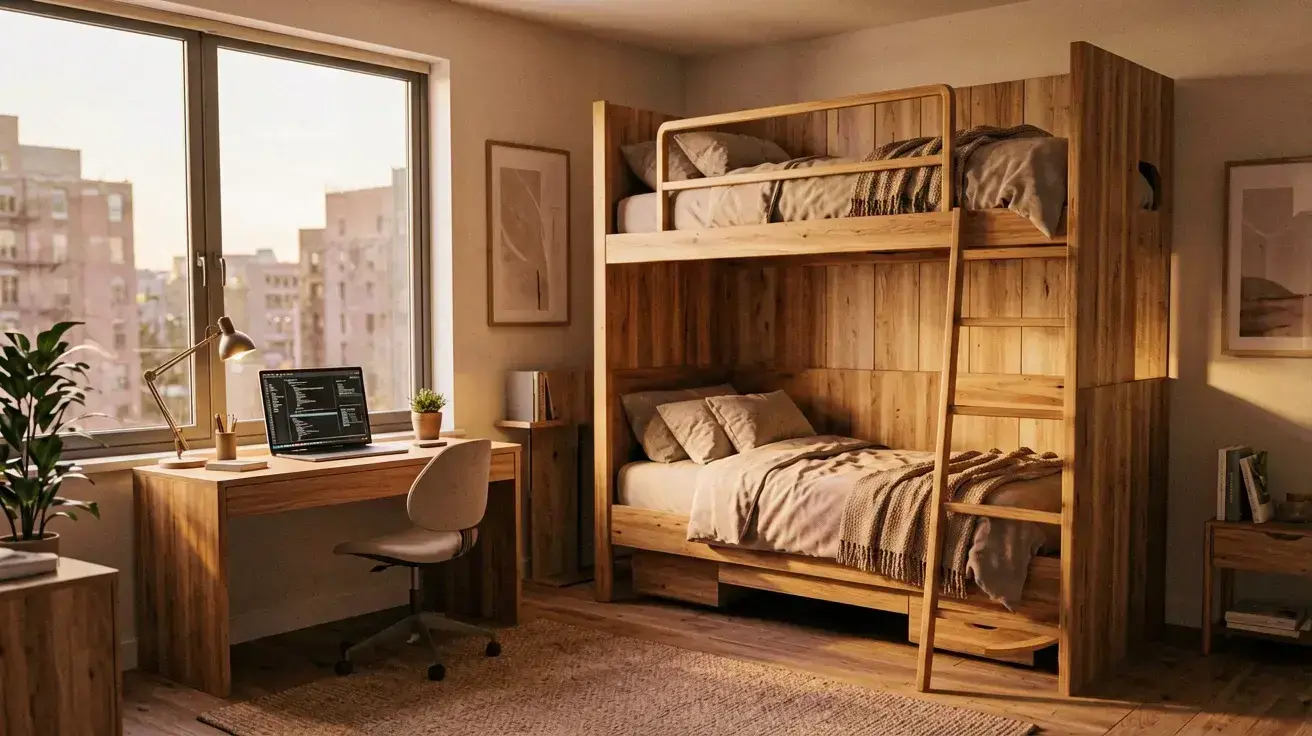
Murphy Bed with Desk: Small Apartment Work-Sleep Solution
Transform your small apartment with a murphy bed with desk combo. Learn how to maximize space for both work and rest in one smart design solution.
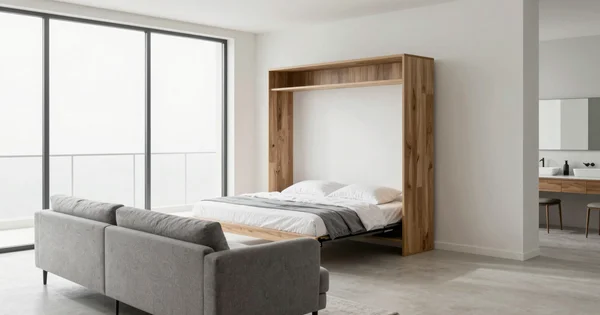
Can Your Living Room Become a Bedroom? Murphy Bed vs Sleeper Sofa Showdown
Living in a studio apartment? I tested both murphy beds and sleeper sofas for converting a living room into a bedroom. Here's my honest comparison after 6 months of daily use.
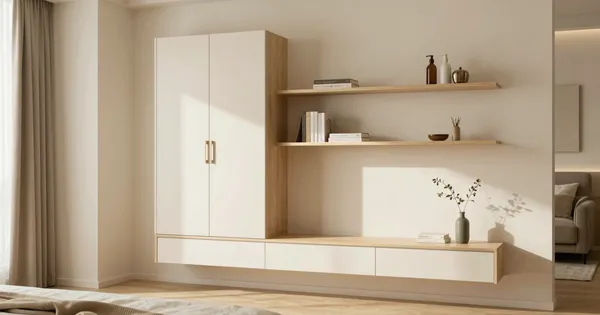
Floating Furniture Guide: Make Small Spaces Feel 30% Larger
Discover how floating furniture can make your small apartment feel 30% larger. Our 2026 guide covers wall-mounted cabinets, floating desks, and design tips for airy, spacious living.
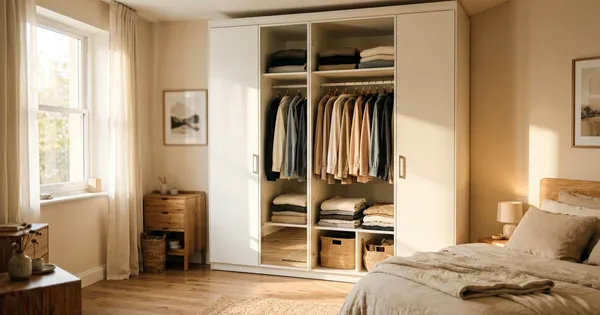
Small Closet Design Guide 2026: 9 Practical Ideas to Maximize Every Square Inch
Discover 9 smart small closet design ideas for 2026 — from floor-to-ceiling built-ins to floating wardrobes and corner solutions that maximize your storage space.
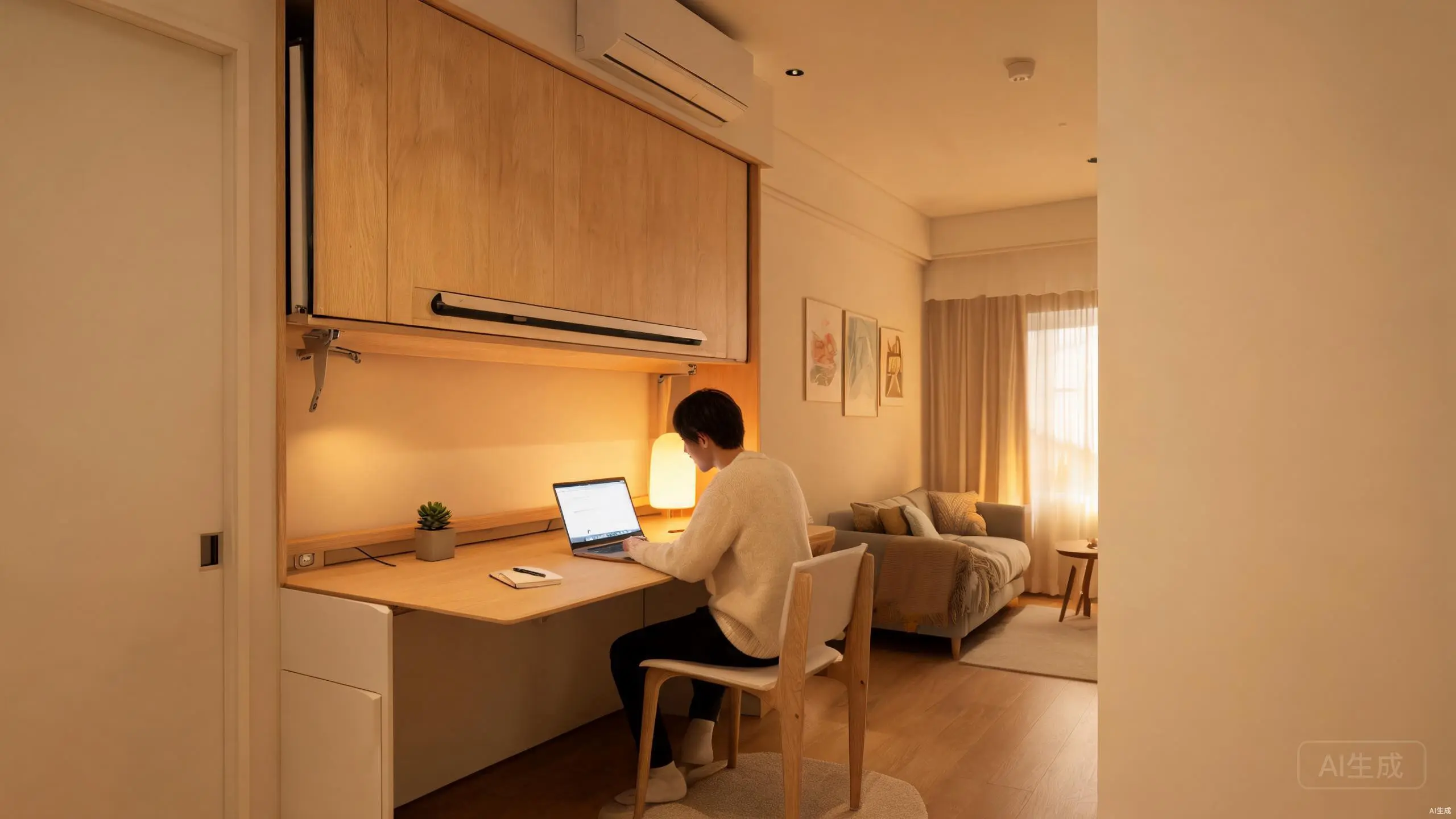
Murphy Bed with Desk: My 3-Month Test in a Small Apartment
I tested a murphy bed with desk in my 35 sq m apartment for 3 months. Here's what works, what doesn't, and which models are worth the money.
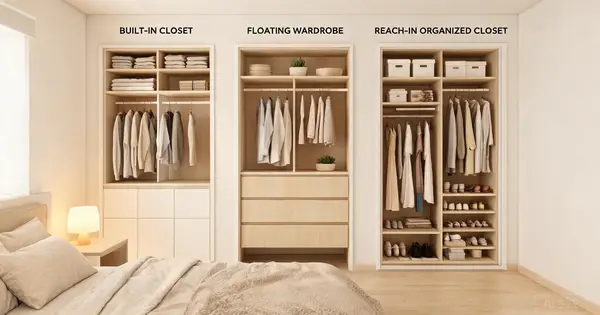
9 Closet Designs Compared: Best for Small Spaces 2026
From floor-to-ceiling built-ins to floating wardrobes — compare 9 small closet designs for 2026. Find the perfect space-saving solution for your apartment.