Floating Furniture Guide: Make Small Spaces Feel 30% Larger
Discover how floating furniture can make your small apartment feel 30% larger. Our 2026 guide covers wall-mounted cabinets, floating desks, and design tips for airy, spacious living.
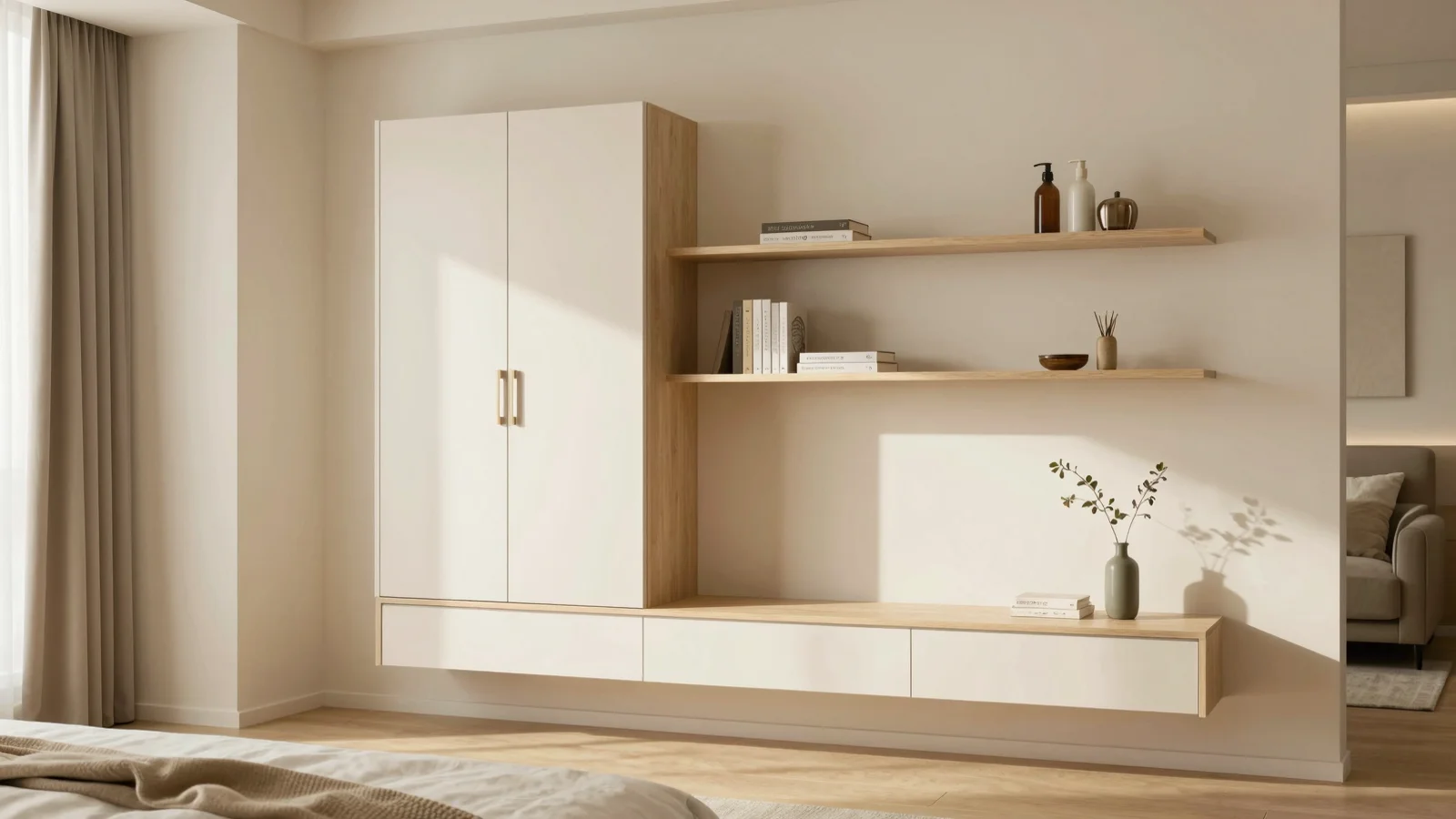
When I first walked into my 32-square-meter studio apartment eight years ago, the previous tenant had filled every corner with heavy floor-standing cabinets. The space felt cramped, dark, and honestly, a little suffocating. That's when I discovered the magic of floating furniture—a design approach that literally changed how my small apartment felt.
Floating furniture isn't just a trend. It's a practical strategy that makes compact spaces feel significantly larger by leveraging vertical space and creating visual flow. In my years as an interior designer turned small-space consultant, I've seen floating designs transform countless apartments, and today I'll share exactly how you can achieve that 30% spaciousness boost in your own home.
What Is Floating Furniture?
Floating furniture refers to pieces that are mounted to the wall or elevated on legs, leaving open space underneath rather than sitting flat on the floor. This includes:
- Wall-mounted cabinets and shelves
- Floating desks and vanities
- Beds with visible legs (typically 15-20cm clearance)
- Suspended nightstands and side tables
The concept is simple: when you can see more floor, your brain perceives the room as larger. It's a visual trick that professional designers have used for decades, but it's become especially relevant in 2026 as small-apartment living continues to rise in urban areas.
Why Floating Design Works for Small Apartments
Visual Expansion
The floor is the largest uninterrupted surface in any room. When furniture blocks this continuity, it visually fragments the space. Floating pieces keep that floor line intact, allowing your eye to travel from wall to wall without interruption. In my own apartment, switching from a floor-standing TV unit to a wall-mounted console immediately made my living area feel more open.
Better Light Flow
Natural light bounces off floors and circulates more freely when there's less obstruction. A floating vanity in my bathroom lets daylight from the window reach every corner, eliminating the shadowy, cramped feeling that standard cabinetry created.
Cleaning Accessibility
Here's a practical benefit: a robot vacuum can clean freely under floating furniture. In my 15-square-meter bedroom, I chose a bed frame with 18cm legs, and my vacuum has no trouble navigating underneath. No more dust accumulation in hard-to-reach spots.
Flexible Space Usage
Floating furniture creates "breathing room" underneath. My wall-mounted desk in the living room has 20cm of clearance below—enough to slide a low storage ottoman when I need extra seating, and tuck it away when I don't.
Key Floating Furniture Pieces for Small Spaces
Floating Nightstands
Traditional nightstands often feel bulky in compact bedrooms. Wall-mounted alternatives save precious floor space and offer a cleaner look. I installed floating nightstands 60cm above the floor in my bedroom, positioning them at the perfect height for reading in bed without crowding the space beside my bed.
Recommended height: 55-65cm from floor to top surface
Ideal depth: 30-40cm to avoid bumping into them
Wall-Mounted Desks
A floating desk serves as a workspace without claiming permanent floor real estate. I've installed fold-down desks in several client apartments—when not in use, they fold flush against the wall, freeing up the entire room. For permanent options, choose a design with wire management cutouts to keep cables hidden.
Width options: 80-120cm for single-person use
Height: Standard 75cm works for most; adjustable options available
Suspended Bathroom Vanities
This is one of my favorite floating elements. A wall-hung vanity makes a tiny bathroom feel significantly larger. I once worked on a 4-square-meter bathroom where replacing the floor-standing cabinet with a floating vanity opened up the space dramatically. Choose a design with integrated storage drawers to maintain functionality.
Standard height: 80-85cm from floor
Tip: Leave 30cm clearance below for a minimal, airy look
Floating TV Consoles
Floor-standing TV units often dominate small living rooms. A wall-mounted media console keeps the floor clear and can be positioned at the ideal viewing height. I mounted my TV console 45cm above the floor—high enough for my vacuum to pass underneath, low enough to feel grounded.
Depth: 35-45cm works for most media setups
Tip: Plan cable routing before installation
Beds with Visible Legs
While not truly "floating," beds with substantial leg clearance create the same visual effect. In my bedroom, a platform bed with 15cm legs makes the 12-square-meter room feel less boxed-in compared to my previous floor-hugging frame.
Minimum leg height: 15cm for robot vacuum access
Style tip: Choose tapered legs for a lighter visual profile
Design Principles for Maximum Impact
Maintain Consistent Heights
Floating pieces work best when their heights create a rhythm. I typically install floating shelves at 120cm, 150cm, and 180cm heights—this staggered arrangement draws the eye upward and emphasizes vertical space.
Don't Float Everything
A room with only floating furniture can feel ungrounded. I recommend mixing: perhaps a floating desk with a low-profile sofa that sits on the floor. This creates visual variety and prevents the space from feeling sterile.
Consider Weight Capacity
Wall-mounted furniture requires proper installation. I always use stud finders and appropriate anchors—floating desks and vanities carry significant weight. When in doubt, consult a professional installer.
Use the Space Below Intentionally
The area beneath floating furniture isn't wasted space. In my entryway, I mounted a floating console at 90cm height and placed a woven basket below for shoe storage. It's functional and keeps the visual line clean.
Floating Furniture Mistakes to Avoid
Installing Too High
Floating furniture should still feel accessible. A nightstand mounted above 70cm requires reaching up awkwardly. I've seen floating desks installed at 85cm—uncomfortably tall for standard seating.
Rule of thumb: Stick to standard furniture heights, just elevate the bottom.
Ignoring Cable Management
Floating desks without wire routing look messy. I always plan for cable grommets or raceways before installation. In one rental apartment, I used adhesive cable clips along the wall behind my floating desk to route power cords to a hidden power strip.
Overloading Weight
Floating shelves have limits. I learned this the hard way when a client overloaded a floating bookshelf with heavy hardcovers. Check manufacturer specifications and distribute weight evenly.
Skipping Studs in Drywall
For heavy items like vanities and desks, wall anchors alone aren't enough. I always locate studs and use multiple mounting points. For lighter items like nightstands and shelves, quality drywall anchors can suffice—but don't skimp on hardware.
Real-World Transformation Example
I recently helped a client transform a 28-square-meter studio. Her original setup included a floor-standing wardrobe, a bed with no visible legs, and a bulky TV unit. The apartment felt cramped and dark.
We made these changes:
- Replaced the wardrobe with a wall-mounted unit, 50cm deep, extending to the ceiling
- Switched to a bed frame with 18cm tapered legs
- Mounted a floating TV console at 40cm height
- Added two floating nightstands at 60cm
The result? Her apartment now feels open, airy, and significantly larger. She told me friends who visit can't believe it's the same space. The floating elements cost approximately $600 total—primarily the wardrobe and bed frame—with installation taking one weekend.
Cost Considerations
Floating furniture spans a wide price range:
| Item | Budget Range | Mid-Range |
|---|---|---|
| Floating nightstand (pair) | $60-$120 | $150-$300 |
| Wall-mounted desk | $80-$200 | $250-$500 |
| Floating bathroom vanity | $150-$400 | $500-$1,200 |
| Floating TV console | $100-$250 | $300-$600 |
| Platform bed with legs | $200-$400 | $500-$900 |
Professional installation, if needed, typically runs $50-$100 per piece depending on complexity.
Quick Implementation Checklist
Before you start, I recommend:
- Measure your space—know exact dimensions for floating pieces
- Locate wall studs—use a stud finder and mark positions
- Check weight ratings—ensure your walls can support the load
- Plan cable routing—for desks and media consoles, decide where cords will go
- Choose consistent finishes—floating pieces work best with unified materials
Conclusion
Floating furniture isn't just about aesthetics—it's about fundamentally changing how a small apartment functions and feels. By keeping floor space visible, improving light circulation, and creating flexible zones, floating pieces can genuinely make a compact room feel 30% larger.
In my eight years of small-space consulting, I've seen this approach work in everything from 25-square-meter studios to 60-square-meter two-bedroom apartments. Start with one or two pieces—a floating nightstand or wall-mounted desk—and experience the difference yourself. Your small space might just feel like home.
Related Articles
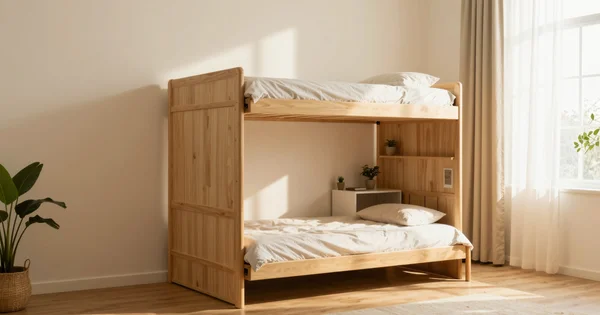
5 Ways to Fit a Double Bed in an 8-Square-Meter Bedroom: Real Solutions Tested
Struggling to fit a double bed in your tiny 8-square-meter bedroom? I tested 5 real solutions—from murphy beds to loft beds—and share what actually works for small apartment living.
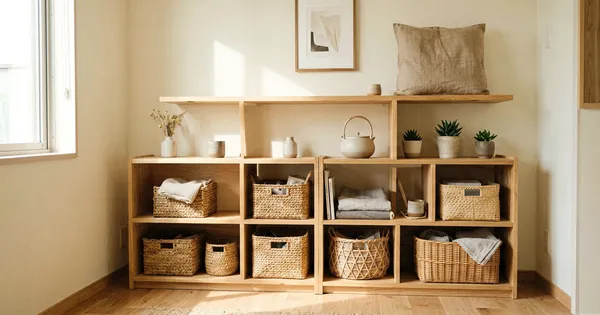
Japandi Storage: Calm Organization for Tiny Apartments
Discover how Japandi style brings calm, functional storage to small apartments. Five practical rules blending Japanese minimalism with Scandinavian warmth.
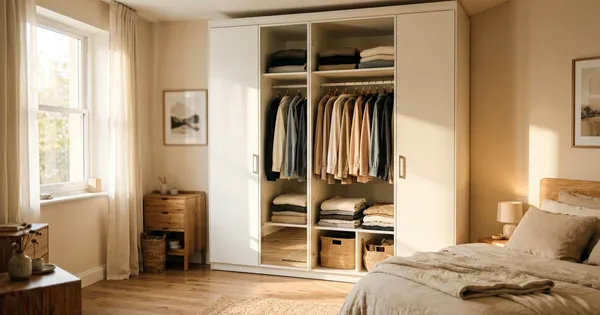
Small Closet Design Guide 2026: 9 Practical Ideas to Maximize Every Square Inch
Discover 9 smart small closet design ideas for 2026 — from floor-to-ceiling built-ins to floating wardrobes and corner solutions that maximize your storage space.
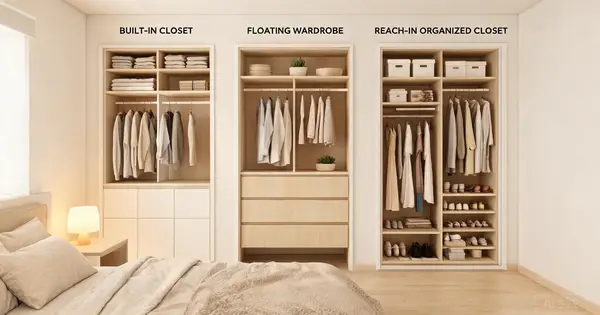
9 Closet Designs Compared: Best for Small Spaces 2026
From floor-to-ceiling built-ins to floating wardrobes — compare 9 small closet designs for 2026. Find the perfect space-saving solution for your apartment.
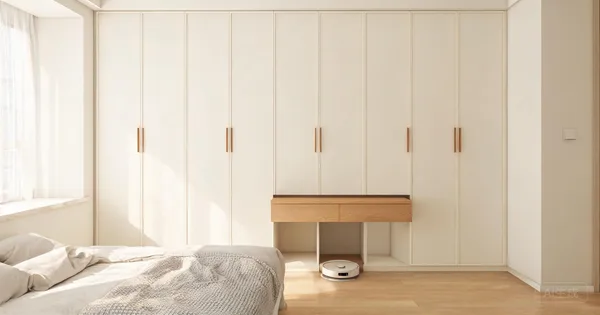
Low-Maintenance Storage: 5 Designs for a Cleaner Small Apartment
Storage should save space AND save your time. Explore 5 low-maintenance storage designs that keep your small apartment cleaner with less daily effort.
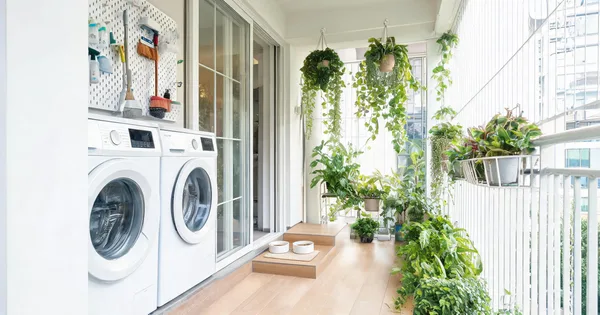
Multi-Purpose Balcony: Laundry, Cleaning, Pets & Plants in One
Your balcony can be more than a drying rack. Design one zone that holds a washer-dryer, cleaning tools, pet supplies, and plants without them fighting.