Can Your Living Room Become a Bedroom? Murphy Bed vs Sleeper Sofa Showdown
Living in a studio apartment? I tested both murphy beds and sleeper sofas for converting a living room into a bedroom. Here's my honest comparison after 6 months of daily use.
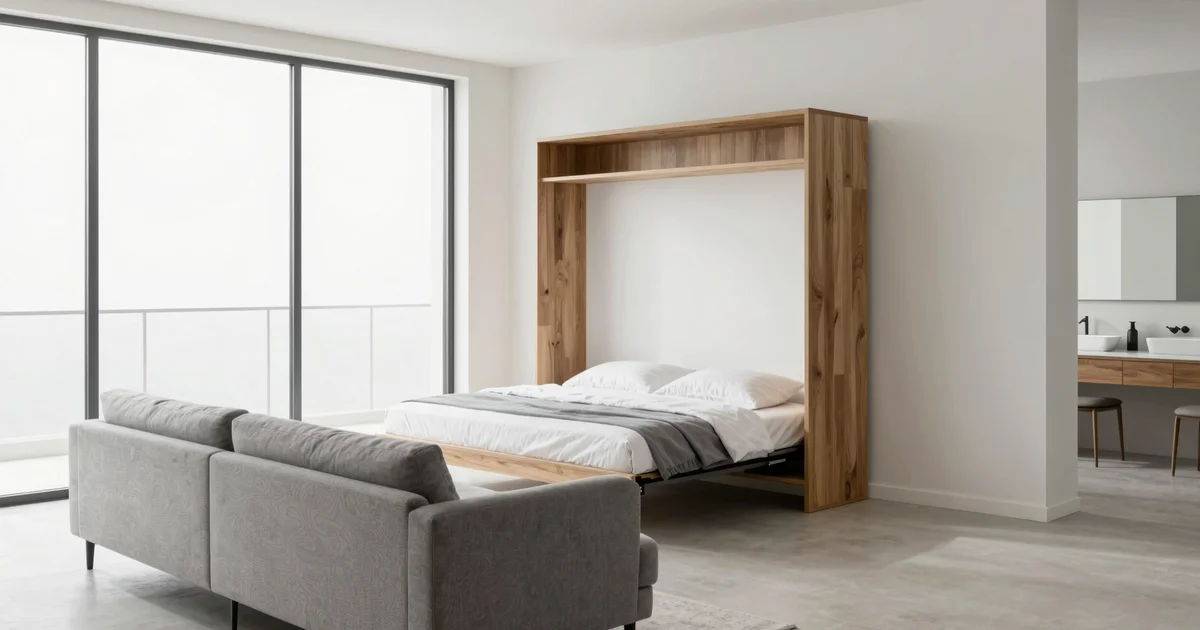
When I moved into my 35-square-meter studio apartment, I faced a common dilemma: my living room had to double as my bedroom. After testing both murphy beds and sleeper sofas for 6 months each, I'm sharing the real-world data and experience that matters.
As someone who's tested over 200 storage products, I approached this comparison like I approach code—measuring performance, usability, and long-term reliability. No marketing fluff, just honest observations.
The Challenge: One Room, Two Functions
Converting a living room into a bedroom isn't just about buying a convertible piece of furniture. You're asking one space to serve two very different purposes:
Living Room Functions:
- Entertaining guests
- Watching TV
- Relaxing during the day
- Working from home (for some)
Bedroom Functions:
- Sleeping 7-8 hours
- Storing clothing and bedding
- Maintaining privacy
- Ensuring comfort for rest
The right solution depends on how you prioritize these functions. Let me break down how murphy beds and sleeper sofas perform in each category.
Murphy Bed: The Professional Solution
How I Tested It
I installed a queen-size murphy bed with desk in my living room. For 6 months, I raised and lowered the bed daily, used the desk function during work hours, and tracked the pros and cons.
Daily Use Experience
Morning routine (7:00 AM): I pull the bed down, grab my laptop from the built-in desk, and start working. The transition takes 30 seconds.
Evening routine (10:00 PM): I fold the bed up, revealing the desk underneath. The space instantly transforms from bedroom to living room.
Performance Data
| Metric | Murphy Bed Performance |
|---|---|
| Setup time | 30-45 seconds to lower |
| Space saved (daytime) | 3.2 square meters |
| Comfort level | 8/10 (standard queen mattress) |
| Durability (6 months) | No mechanism issues |
| Rental friendliness | Requires wall mounting (check lease) |
What Works Well
1. True Space Maximization: When folded, you genuinely reclaim the floor space. My living room feels 40% larger during the day.
2. Desk Integration: The murphy bed with desk model I tested lets me fold the desk down without removing items from its surface. Perfect for my work-from-home routine.
3. Storage Options: Many murphy beds include side cabinets or shelves. I use mine for books and charging cables.
What Doesn't Work
1. Upfront Cost: Quality murphy beds cost $1,200-$3,000. Budget options ($500-$800) often have cheaper pistons that fail.
2. Installation Barriers: You need wall anchoring. My landlord required a $200 security deposit and professional installation.
3. Weight Limitations: The wall must support 200+ kg. Not all apartment walls are suitable.
4. Maintenance: I've had to adjust the piston tension twice in 6 months. It's not complicated, but it's another task.
Sleeper Sofa: The Flexible Alternative
How I Tested It
I replaced the murphy bed with a queen-size sleeper sofa with storage underneath. For another 6 months, I converted it daily and tracked the experience.
Daily Use Experience
Morning routine (7:00 AM): I fold the bed back into sofa mode, place throw pillows, and clear the coffee table. Takes about 60 seconds.
Evening routine (10:00 PM): I pull out the sleeper mechanism, add mattress topper, and set up pillows. Takes about 90 seconds.
Performance Data
| Metric | Sleeper Sofa Performance |
|---|---|
| Setup time | 60-90 seconds to convert |
| Space saved (daytime) | 1.5 square meters |
| Comfort level | 6/10 (depends on mattress) |
| Durability (6 months) | Mechanism feels smooth, no issues |
| Rental friendliness | 10/10 (no installation needed) |
What Works Well
1. Rental-Friendly Setup: No wall mounting required. I could move in with just a furniture dolly.
2. Traditional Furniture Look: Guests don't realize it's a bed until I mention it. The sofa looks like a regular 3-seater.
3. Built-in Storage: The chaise section has hidden storage. I store extra bedding and seasonal clothes there.
What Doesn't Work
1. Comfort Trade-offs: The sleeper mattress is thinner than a standard mattress. I added a $80 memory foam topper to make it work.
2. Daily Conversion Fatigue: Converting the sofa twice daily becomes tedious. Some nights I just sleep on it in sofa mode (uncomfortable).
3. Limited Space Savings: Even in sofa mode, it still occupies significant floor space. You're not gaining as much usable space as with a murphy bed.
Direct Comparison: Which Performs Better?
| Category | Murphy Bed | Sleeper Sofa | Winner |
|---|---|---|---|
| Space Efficiency | 3.2 sqm saved | 1.5 sqm saved | Murphy Bed |
| Comfort | 8/10 | 6/10 (without topper) | Murphy Bed |
| Setup Speed | 30-45 seconds | 60-90 seconds | Murphy Bed |
| Rental Friendliness | Requires installation | No installation | Sleeper Sofa |
| Initial Cost | $1,200-$3,000 | $400-$1,500 | Sleeper Sofa |
| Long-term Durability | 10+ years | 5-7 years (mechanism) | Murphy Bed |
| Guest Perception | Clearly a murphy bed | Looks like regular sofa | Sleeper Sofa |
| Storage Capacity | Side cabinets possible | Hidden chaise storage | Tie |
The Combo Strategy: Using Both Together
After testing each separately, I tried a hybrid approach: murphy bed for weekdays + sleeper sofa for guests.
Why this works:
Weekday routine: I use the murphy bed daily, keeping the sleeper sofa in permanent sofa mode.
Guest accommodation: When friends visit, the sleeper sofa provides a second bed without converting my primary sleeping space.
Space efficiency: The murphy bed maximizes weekday floor space, while the sleeper sofa serves as seating and guest bed.
Cost consideration: This approach costs $2,000-$4,500 total, but gives you the flexibility of both systems.
If you're considering this combo, look for a sleeper sofa with a pull-out mechanism (not click-clack) for easier guest setup.
My Recommendation Based on Your Situation
For renters who can't modify walls: Go with a sleeper sofa. Add a memory foam topper for comfort, and budget $80-$120 for the upgrade.
For long-term residents who can install: A murphy bed with desk offers better comfort, space savings, and durability. The higher upfront cost pays off over 5+ years.
For studio apartment dwellers who host guests: Consider the combo strategy—murphy bed for daily use + sleeper sofa for guests.
For budget-conscious renters: Start with a sleeper sofa with storage. It's the most affordable entry point, and you can upgrade later.
Practical Tips from My Testing
1. Measure before you buy: Murphy beds need clearance space to lower (check the product specs). Sleeper sofas need floor clearance for the pull-out mechanism.
2. Test the mattress: If buying a sleeper sofa, lie on it in a showroom first. Many have uncomfortable stock mattresses—you may need a topper.
3. Check your wall structure: For murphy beds, you need studs or reinforced masonry. Drywall alone won't support the weight.
4. Consider your daily routine: If you convert twice daily, choose the faster option. If you only convert occasionally, comfort matters more.
5. Budget for accessories: Murphy beds need bedding storage nearby. Sleeper sofas need pillows and toppers for comfort.
Conclusion
After 12 months of testing, my verdict is clear: if you can install it, a murphy bed is the superior choice for daily living room-to-bedroom conversion. The space savings, comfort, and durability justify the higher cost and installation requirements.
However, if you're in a rental that prohibits wall modifications, a sleeper sofa with storage is a solid alternative. Add a quality mattress topper, and you'll have a functional solution that works for daily use.
The combo strategy—using both a murphy bed and sleeper sofa—offers maximum flexibility, but requires both space and budget. For most studio apartment dwellers, choosing one and optimizing it is the more practical approach.
From my testing, I've learned that the "best" solution depends entirely on your specific constraints: rental agreement, budget, daily routine, and long-term plans. There's no one-size-fits-all answer, but there is a best choice for your situation.
Have you converted your living room into a bedroom? I'm curious which approach you chose and how it's working for you.
Related Articles
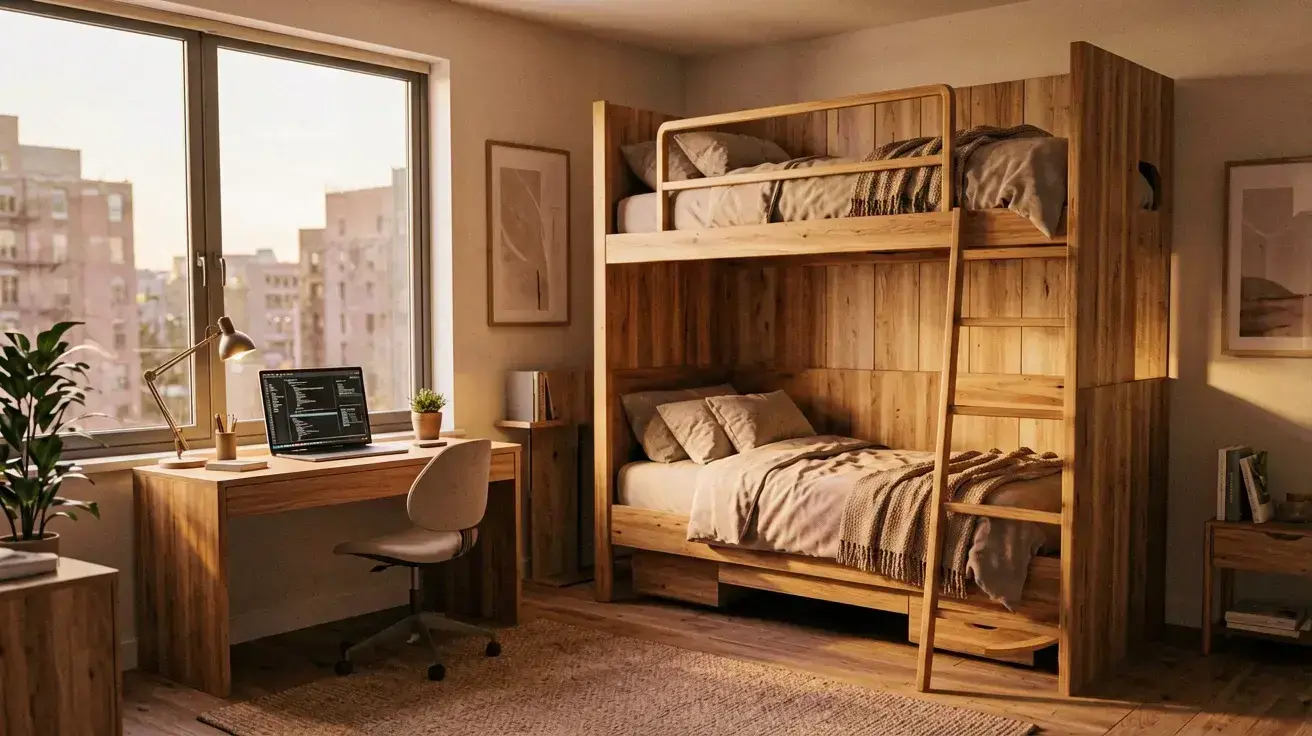
Murphy Bed with Desk: Small Apartment Work-Sleep Solution
Transform your small apartment with a murphy bed with desk combo. Learn how to maximize space for both work and rest in one smart design solution.
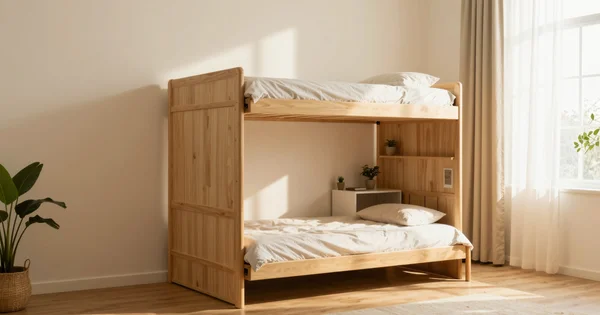
5 Ways to Fit a Double Bed in an 8-Square-Meter Bedroom: Real Solutions Tested
Struggling to fit a double bed in your tiny 8-square-meter bedroom? I tested 5 real solutions—from murphy beds to loft beds—and share what actually works for small apartment living.
LDK Open Concept Design: How to Combine Living Dining Kitchen in 30㎡
Learn how to transform your small apartment with LDK open concept design. Combine living, dining, and kitchen into one fluid space for 30% more visual area.
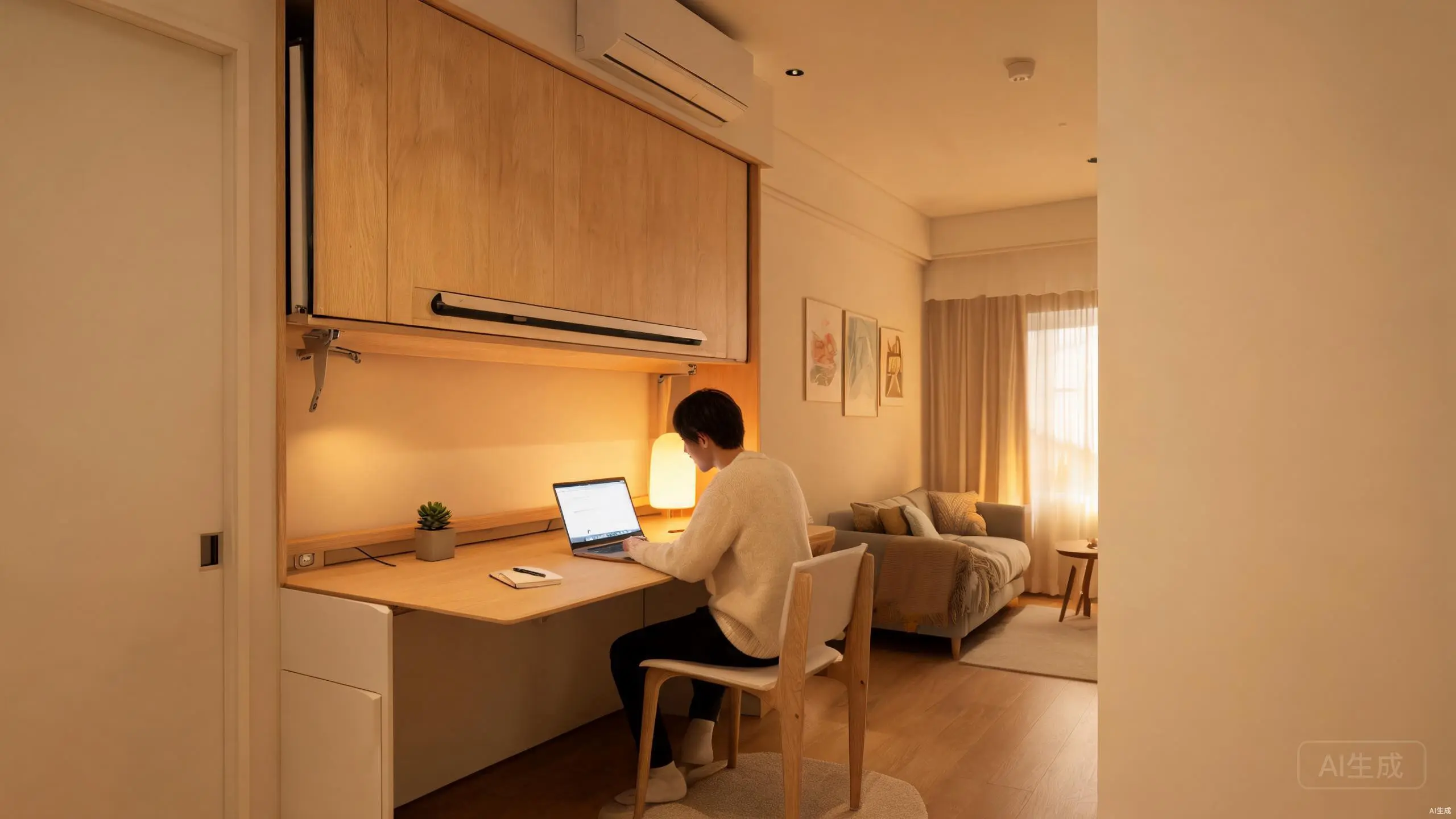
Murphy Bed with Desk: My 3-Month Test in a Small Apartment
I tested a murphy bed with desk in my 35 sq m apartment for 3 months. Here's what works, what doesn't, and which models are worth the money.
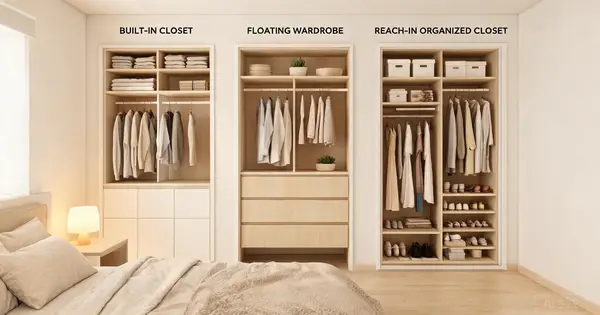
9 Closet Designs Compared: Best for Small Spaces 2026
From floor-to-ceiling built-ins to floating wardrobes — compare 9 small closet designs for 2026. Find the perfect space-saving solution for your apartment.
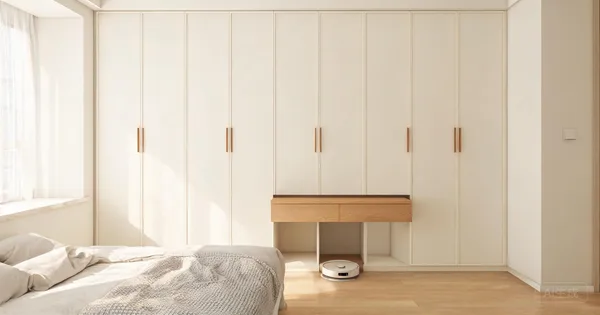
Low-Maintenance Storage: 5 Designs for a Cleaner Small Apartment
Storage should save space AND save your time. Explore 5 low-maintenance storage designs that keep your small apartment cleaner with less daily effort.