Snack Food Organization: Developer's Overtime Refuel
Every developer's desk drawer hides snacks, but they're usually high-sugar, high-fat junk food. This post shares a snack organization system for...
My desk drawers used to be like a small convenience store.
Spicy strips, chips, chocolate, cookies, energy drinks, instant coffee... all kinds of snacks stuffed two drawers full. When working overtime, I'd grab a bag, take a bite between coding sessions—it had become a kind of ritual.
But the problem is, most of these snacks are high-sugar, high-fat junk food. Over time, my weight went up, my skin got worse, and I kept getting that afternoon crash. To make things worse, sometimes I'd open a bag of chips, eat half, leave it on the desk, and discover the next day it's gone stale—I had to throw it out.
As a developer who sits for over 10 hours a day, I realized snack management isn't just an "organization" issue—it's a "health" issue. I needed to build an overtime refuel station that satisfies cravings without damaging my health.
Step 1: Clean Out—Face Your Snack Inventory Head-On
I pulled out every snack I had at home and in the office and spread them on the desk:
- Puffed snacks: 5 bags of chips, shrimp sticks, etc.
- Candy and chocolate: 3 boxes
- Cookies and pastries: 4 bags
- Spicy strips and other heavy-flavor snacks: a bunch
- Drinks: 2 energy drinks, 3 sodas
- Instant coffee: 1 big box
- Nuts: 1 can (already gone stale)
- Various expired or half-expired items: a bunch
This list was embarrassing. My snack lineup was basically "The Complete Junk Food Encyclopedia"—almost no healthy options.
I threw out everything expired, opened and gone stale, or clearly unhealthy (like the spicy strips and puffed snacks). Then I sorted the rest by "healthiness":
- Red zone: High sugar, high fat—occasional treat (chocolate, cookies)
- Yellow zone: Moderately healthy—eat in moderation (nuts, whole wheat bread)
- Green zone: Relatively healthy—feel free to eat (dried fruit, unsweetened yogurt)
Step 2: Redesign the Station's "Architecture"
I set a principle for myself: snacks aren't forbidden—they're optimized. Completely cutting out snacks isn't realistic for a developer, but I can pick healthier alternatives.
Core refuel (daily use):
- Nuts: plain almonds, walnuts—a small handful a day
- Fruit: apples, bananas, oranges—one a day
- Yogurt: unsweetened or low-sugar—one cup a day
- Black coffee: replaces instant coffee and energy drinks
Overtime specials (when you need a boost or something filling):
- Whole wheat bread or oat biscuits
- Protein or energy bars (low-sugar version)
- Dark chocolate (70%+ cocoa)
Occasional indulgence (no more than twice a week):
- Chips or other puffed snacks
- Sugary drinks
This classification is like access control in code—different access frequencies correspond to different health risk levels.
Step 3: Physical Organization—Make Healthy Choices Easier
There's a behavioral psychology concept called "Nudge": by changing the environment design, you make good choices easier and bad choices harder.
I applied this principle to the snack organization:
Desk drawer, top tier (easiest to reach):
- Nuts, dried fruit, whole wheat biscuits
- These are the "default options," right at your fingertips
Desk drawer, second tier (need to bend down a bit):
- Dark chocolate, protein bars
- These are the "alternatives"—still easy to grab when needed
Storage cabinet or further away (need to get up):
- Chips and sugary drinks
- The extra cost of getting up naturally cuts down on consumption
On the desk, only:
- A water glass (reminder to drink more water)
- The fruit planned for the day
The core logic of this design: keep healthy snacks within arm's reach, and make unhealthy snacks require extra effort to get.
Step 4: Build a "Shopping List" to Prevent Impulse Buys
My old snack buying style: walking past a convenience store or scrolling online, I'd just buy whatever looked good. The result was a cart full of spicy strips, chips, and Coke—nothing healthy.
Now I use a "list-based" approach:
Weekly fixed shopping:
- Fruit: 3-4 kinds, enough for the week
- Nuts: 1 can of plain mixed nuts
- Yogurt: 1 pack (6-8 cups)
- Whole wheat bread: 1 bag
Monthly restock:
- Black coffee grounds or drip bags
- Dark chocolate
- Protein bars
I stick to the list strictly—no extra "but it's on sale" or "this looks tasty" purchases. Like a checklist in code review, executing against the list cuts out the randomness.
Step 5: Control Single-Serving Sizes
Developers have a dangerous snacking habit: open a bag of chips, code along, and the whole bag is gone before you notice. This "mindless eating" is the biggest enemy of weight management.
My countermeasures:
- Prefer smaller packages
Buy single-serving size snacks, not family size. A 30g bag of chips is way easier to control than a 200g one.
- Pre-portion at home
If I buy a big can of nuts, I split it into small bags at home, each with a fixed amount (like 20g). When I want some, I just grab one bag, not the whole can.
- Eat with focus
When snacking, stop and just eat. Don't snack while coding. Eating one small bag with focus actually feels more satisfying, and you won't overeat.
Step 6: Alternatives—Replace Snack Dependence with Healthy Habits
A lot of the time, developers snack not because they're hungry, but because:
- They crave something (habitual eating)
- They're stressed (emotional eating)
- They're bored (stuck on code, looking for something to do)
For each of these scenarios, I set up alternatives:
When craving something:
- Drink a glass of water (sometimes thirst is mistaken for hunger)
- Chew sugar-free gum
- Brew a cup of tea (green or oolong—refreshing and flavorful)
When stressed:
- Get up and walk for 5 minutes
- Do a few stretches
- Walk to the window and take some deep breaths
When stuck on code:
- Stand up and pace while thinking
- Go to the kitchen and get water
- Discuss the problem with a coworker
These alternatives don't just cut down on snacks—they also help with the health issues that come from sitting all day.
Step 7: Weekend Batch Prep
Weekdays are too busy to prep healthy snacks. I use the weekend to batch prep:
- Wash and cut fruit: Wash apples, pears, etc., cut them into pieces, store in containers, and bring them to the office on weekdays
- Portion nuts: Divide the big can into small bags, get a week's worth done in one go
- Prep yogurt cups: Add fruit bits or nuts to yogurt, portion into small cups for weekday afternoon tea
- Brew tea: Make a big pot of tea, pour into a tumbler to replace sugary drinks
This batch prep approach is like batch processing in code—one-time time investment, fewer repeated operations later.
Wrapping Up
For developers, snack organization isn't just about tidying up the drawer—it's an important part of health management. Developers who sit for long hours, work overtime, and pull late nights can easily run into health problems if they also have poor eating habits.
But I'm also against extreme "no snacking." Coding is hard enough—if we can't even enjoy a little snack, life gets too grim. The key is optimizing your choices—nuts instead of chips, fruit instead of candy, black coffee instead of energy drinks.
These small swaps add up to significant health improvements over time. And you'll find that healthy snacks can actually taste great, and you won't feel greasy or sleepy afterward—your head stays clearer for more coding.
Try starting this weekend: clean out all the snacks at home and in the office, toss the expired and unhealthy ones, and restock based on the "core refuel + overtime special + occasional indulgence" categories. Stick with it for a month, and you'll notice improvements in your energy levels and skin.
Related Articles
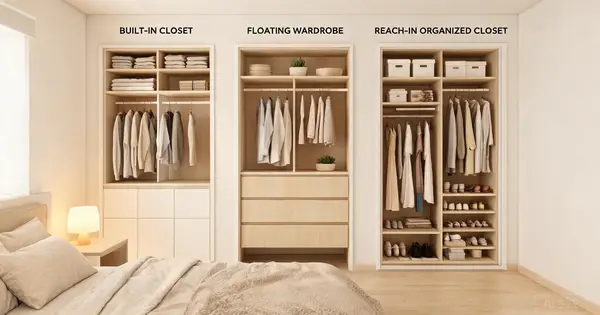
9 Closet Designs Compared: Best for Small Spaces 2026
From floor-to-ceiling built-ins to floating wardrobes — compare 9 small closet designs for 2026. Find the perfect space-saving solution for your apartment.
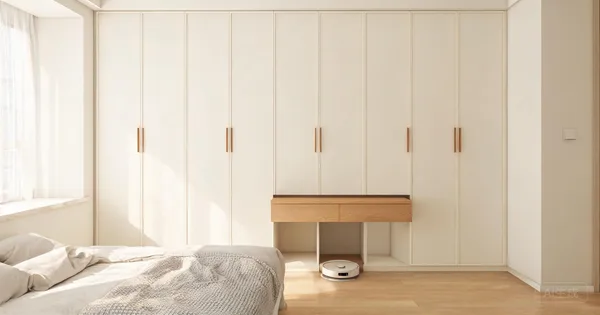
Low-Maintenance Storage: 5 Designs for a Cleaner Small Apartment
Storage should save space AND save your time. Explore 5 low-maintenance storage designs that keep your small apartment cleaner with less daily effort.
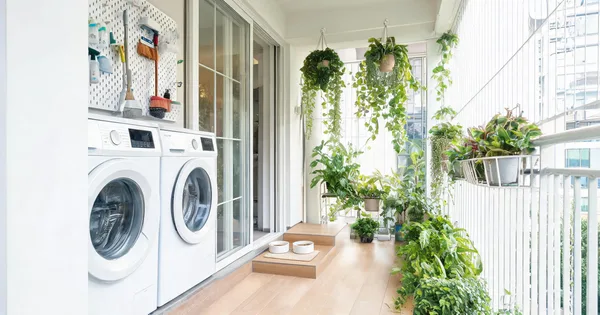
Multi-Purpose Balcony: Laundry, Cleaning, Pets & Plants in One
Your balcony can be more than a drying rack. Design one zone that holds a washer-dryer, cleaning tools, pet supplies, and plants without them fighting.

The 80/20 Storage Rule: How to Apply the 'Hide 80%, Show 20%' Philosophy in Your Small Apartment
The 80/20 storage rule is 2026's hottest home organization philosophy. Learn how to hide 80% of your belongings and display 20% to make your small apartment feel spacious, tidy, and effortlessly stylish.

Small Dining Room Storage: 10 Solutions for Your Apartment
Your small dining table is buried under mail, groceries, and clutter. Discover 10 smart storage solutions for small dining rooms — from wall shelves to multi-functional furniture.
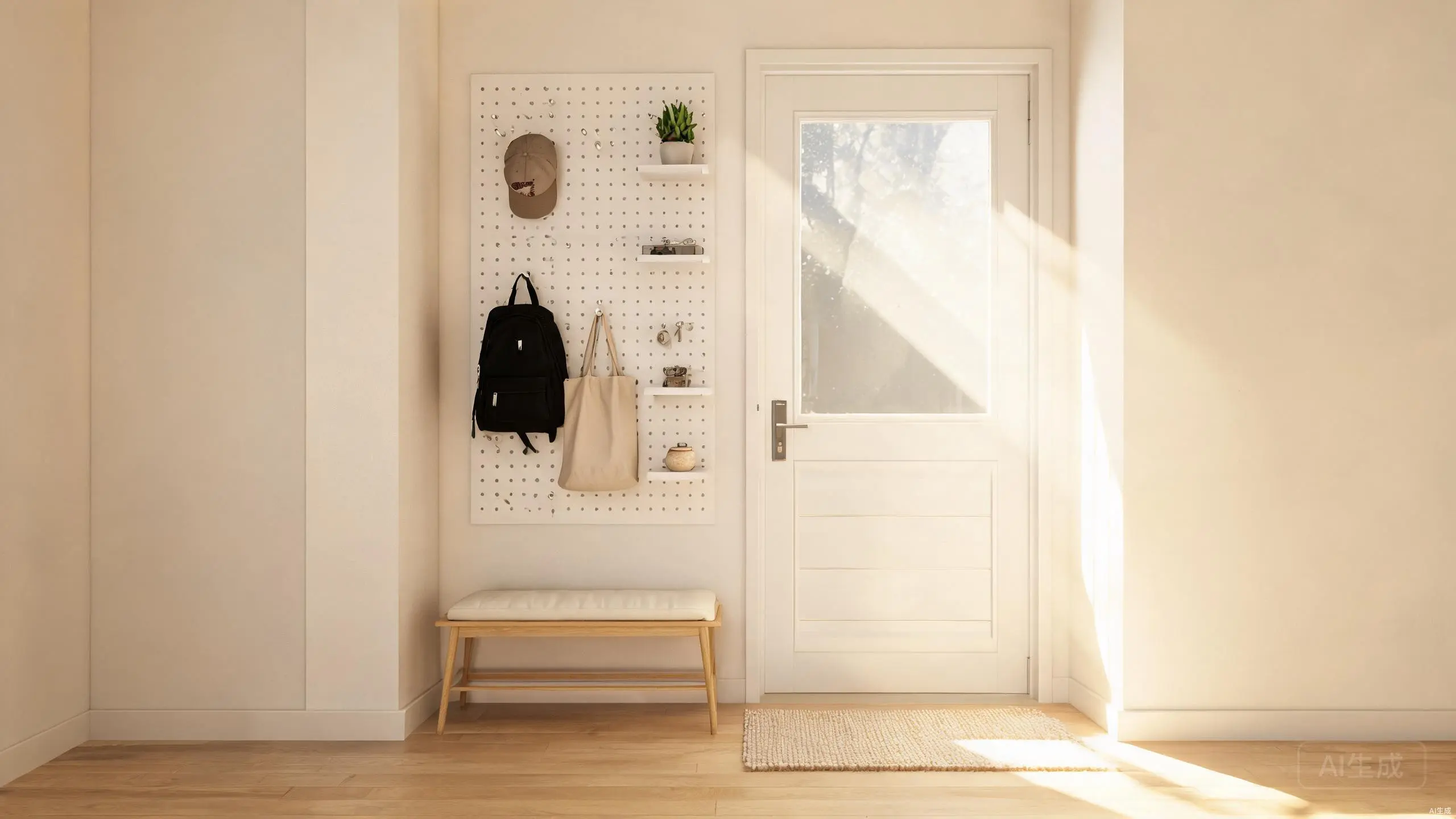
Entryway Pegboard Storage: No-Drill Vertical Solution for Rentals
Transform your entryway with pegboard storage that requires zero drilling. Perfect for rentals, this vertical solution maximizes space for coats, bags, and daily essentials.