Sleeper Sofa Maintenance: 10 Tips to Extend Its Life
Learn how to clean and maintain your sleeper sofa with 10 practical tips. Fromfabric care to mechanism maintenance, extend the life of your sofa bed.
I'll be honest — when I bought my first sleeper sofa, I didn't think about maintenance at all. I just thought "cool, a couch that's also a bed" and called it a day. Then a year later, the mechanism was squeaking, the cushions had gone flat, and there was a mysterious stain on the armrest that I still can't explain.
I spent a weekend deep cleaning and fixing everything, and I realized something: a sleeper sofa has way more moving parts than a regular couch. If you take care of it, it'll last you a decade or more. If you don't? You'll be replacing it in three years, and that's expensive.
I've now had my sleeper sofa for four years, and it still looks and works like new. Here are the ten maintenance tips I wish I'd known from day one.
1. Vacuum Weekly (Yes, Weekly)
I know, I know. Weekly vacuuming sounds like a lot. But here's the thing — dust, crumbs, and pet hair don't just sit on the surface. They work their way down into the cushions and the mechanism, and over time they cause wear.
My routine:
- Use the upholstery attachment on your vacuum
- Go over every surface: cushions, arms, back, crevices
- Flip cushions and vacuum both sides
- Get in between seat cushions where crumbs love to hide
- Vacuum under the cushions too — that's where the mechanism lives
It takes five minutes. Do it while you're watching TV or waiting for your takeout to arrive. Your future self will thank you.
For a deeper clean between cushions, a crevice tool is worth its weight in gold.
Buy on Amazon
2. Rotate and Fluff Cushions Every Month
Your seat cushions take a beating. Every time you sit down, you're compressing the foam in the same spots. Over time, that leads to sagging and indentations.
The fix:
- Flip seat cushions once a month (if they're reversible)
- Rotate them — swap left and right, front and back
- Fluff back cushions by hand (or throw them in the dryer on air fluff for 10 minutes, if the cover is removable)
- If you have a favorite spot? Force yourself to sit somewhere else sometimes. I know it's hard.
This simple habit can double the life of your cushions.
3. Clean Spills Immediately (The Right Way)
I used to think "I'll get to that later" about spills. Spoiler: later is too late.
The instant spill protocol:
- Blot, don't rub. Rubbing pushes the stain deeper and can damage the fabric. Grab a clean cloth or paper towel and press firmly to soak up as much as possible.
- Use a clean, damp cloth with mild soap or upholstery cleaner (test on an inconspicuous spot first!)
- Blot again with a dry cloth
- Let it air dry — don't use a hair dryer, the heat can set the stain
For really stubborn stains, a good upholstery cleaner is essential. I keep one under my sink for emergencies.
Buy on Amazon
4. Know Your Fabric and Clean Accordingly
Not all sofa fabrics are created equal, and using the wrong cleaning method can do more harm than good. Check the tag on your sofa — it should have a cleaning code.
W: Water-based cleaners are safe. Most fabric sofas fall into this category.
S: Solvent-based cleaners only. These are more delicate fabrics — don't use water!
WS: Both water and solvent-based cleaners are fine. Lucky you.
X: Professional cleaning only. Vacuum regularly, but don't use any cleaners on it yourself.
Quick Fabric-Specific Tips
Linen or cotton: Vacuum weekly, spot clean with mild detergent. These fabrics wrinkle easily, so you might want a fabric steamer.
Velvet: Use a soft brush to vacuum, blot spills immediately. Velvet shows marks easily, so regular brushing helps maintain the nap.
Microfiber: Super durable and easy to clean. Mild soap and water works for most spills.
Leather: Wipe with a dry cloth weekly, condition every 6-12 months.
If you have a leather sleeper sofa, a leather conditioning kit will keep it from cracking and drying out.
Buy on Amazon
5. Protect the Mattress
The sleeper mattress lives most of its life folded up inside the sofa. That means it doesn't get much air circulation, which can lead to mustiness and mildew, especially in humid climates.
Mattress care tips:
- Open up the sleeper and let the mattress air out once a month. Leave it open for a few hours if you can.
- Use a mattress protector! It keeps sweat, spills, and dust off the mattress itself.
- Every few months, rotate the mattress (flip it end over end) so it wears evenly.
- If you're in a humid area, consider putting a dehumidifier near the sofa.
A waterproof mattress protector is one of the cheapest ways to extend your sleeper sofa's life.
Buy on Amazon
6. Lubricate the Mechanism Once a Year
This is the part everyone forgets about, but it's so important. The pull-out mechanism has hinges, springs, and sliding parts that need to move smoothly. If they get dry, they'll squeak, stick, and eventually wear out.
How to lubricate:
- Pull the bed all the way out
- Look at the metal frame — you'll see hinges, pivot points, and sliding tracks
- Wipe off any dust or dirt with a clean cloth
- Apply a silicone-based lubricant or dry Teflon spray to all moving parts
- Open and close the mechanism a few times to work the lubricant in
- Wipe away any excess
Don't use WD-40. It attracts dust and will gunk up the mechanism over time. Use a dry lubricant instead.
I do this once a year, usually in the spring. It takes 10 minutes and eliminates that embarrassing squeak every time you open the bed.
7. Check and Tighten Hardware Every Six Months
Sofas get a lot of use — people sit on them, jump on them (no judgment), lean on the arms. Over time, the screws and bolts that hold everything together can loosen.
Every six months:
- Flip the sofa on its side (grab a friend — sofas are heavy)
- Check all the legs — give them a wiggle, tighten any loose screws
- Check the frame connections
- If you have a sectional, make sure the connector clips are secure
- While you're down there, vacuum the underside too
Loose legs can wobble and eventually strip the screw holes, which is a bigger fix. Tightening them twice a year is way easier.
8. Keep It Out of Direct Sunlight
This one surprised me, but UV rays from the sun will fade and weaken fabric over time. If your sofa sits in a sunny spot, the side facing the window will fade noticeably in just a couple of years.
Options:
- Rearrange the room so the sofa isn't in direct sun (not always possible, I know)
- Use curtains or blinds to block harsh midday sun
- Rotate the sofa occasionally if it's reversible
- Use a throw blanket on the side that gets the most sun
If your living room gets a lot of sun and rearranging isn't an option, UV-blocking curtains are a good investment. They protect your sofa and keep the apartment cooler.
Buy on Amazon
9. Deep Clean Once a Year (Or Hire Someone)
Even with regular vacuuming and spot cleaning, your sofa needs a deep clean once in a while. Think of it like going to the dentist — you brush at home, but you still need a professional cleaning every so often.
DIY deep clean:
- Remove all cushion covers (if they're removable and machine washable — check the tag!)
- Wash on gentle cycle with cold water, air dry (don't put them in the dryer — they can shrink)
- Vacuum every surface thoroughly
- Use a carpet cleaner with an upholstery attachment for a deeper clean
- Let everything dry completely before putting it back together
If you don't want to DIY: Hire a professional upholstery cleaner. It usually costs $100-$200, which is way cheaper than buying a new sofa.
10. Use It Mindfully (But Still Use It!)
Okay, this last one is a bit of a reality check. Your sofa is meant to be sat on, not admired from across the room. But a little mindfulness goes a long way.
Small habits that help:
- Don't eat messy foods on the sofa (or at least use a tray)
- Don't jump on the sofa or use the arms as seats (they're not designed for it)
- Don't stand on the sofa to reach high shelves (get a step stool)
- Keep sharp objects away from the upholstery
- If you have pets, use a blanket or pet cover to protect the cushions
Basically, treat it like the piece of furniture it is — not a trampoline, not a dinner table, not a step ladder.
Common Sleeper Sofa Problems (And How to Fix Them)
Even with good maintenance, things happen. Here are the most common issues I've run into or heard about:
The mechanism is squeaking: It probably needs lubrication. See tip #6.
The mattress is sagging: Flip and rotate it. If that doesn't help, consider a mattress topper or replacing the mattress.
Cushions have permanent indentations: Rotate and fluff more often. If they're really bad, you can buy replacement foam inserts.
The fabric is pilling: Use a fabric shaver to remove the pills. It makes the sofa look brand new.
The bed won't close all the way: Check that nothing is stuck in the mechanism (pens, change, lost remotes — I've found all of these). Make sure the mattress is properly positioned.
Final Thoughts
Here's the thing about sleeper sofa maintenance: none of these tips are hard or expensive, but they add up. Spending five minutes a week vacuuming, ten minutes a month fluffing cushions, and an hour a year deep cleaning can add years to your sofa's life.
When I think about how much I spent on my sleeper sofa, the math works out. A little regular maintenance means I'm not replacing it every three years. That's money in my pocket and a sofa I actually enjoy sitting on. Win-win.
Related Articles

Adaptable Storage: Systems That Grow With Your Small Home
Lifestyles change—from solo to roommate to pets. Discover adaptable, modular storage systems that flex with your needs so you buy storage once.
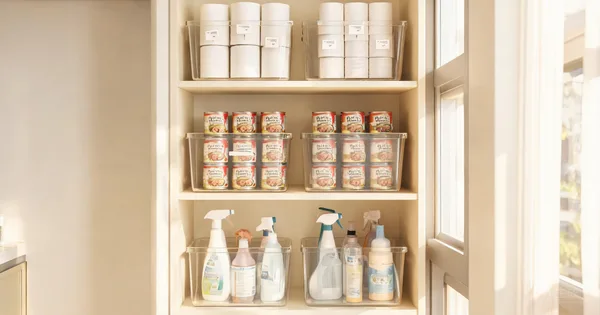
How to Store Bulk Items in a Small Apartment
Stocking up on paper towels and cleaning supplies shouldn't mean clutter. Learn how to manage bulk storage in a small apartment with a smart zone system.

Guest-Ready in 10 Minutes: Storage for Quick Cleanups
What if friends texted and said they're coming over in 10 minutes? Build a guest-mode storage system so your small apartment looks tidy fast and stress-free.
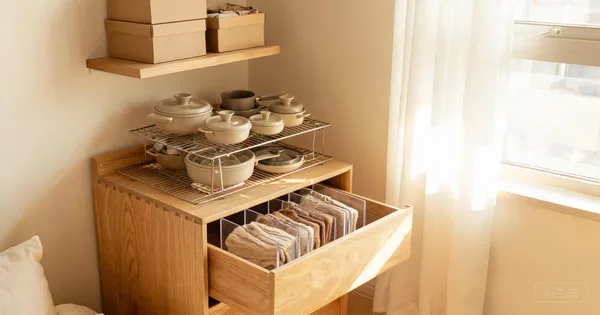
Ways to Repurpose: Clever Storage Hacks for Small Apartments
Save money and space by repurposing everyday items into smart storage. Discover creative upcycling hacks that organize your small apartment on a budget.
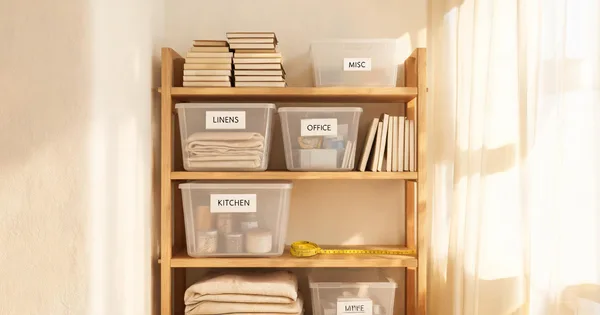
How Much Storage Do You Need? A Small Apartment Calculator
Not sure how many shelves or bins you really need? Use this simple storage calculator to plan your small apartment's storage by actual item volume.
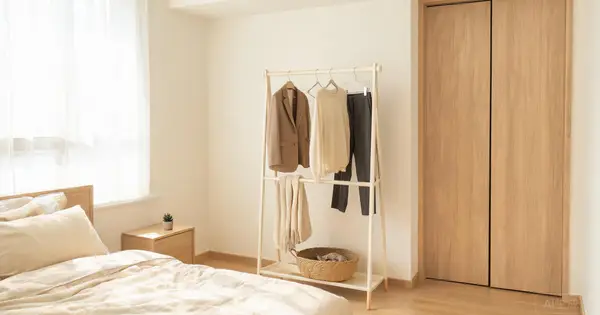
Worn Clothes Storage: 5 Solutions for the Chair Pile
Tired of the clothes pile on your chair? Here are 5 practical worn clothes storage solutions for small apartments — from stylish racks to hidden hampers.