Shared Living Room Organization Roommates: Developer's Guide
A must-read for developer roommates! Practical organization and zoning for shared common areas, avoid roommate conflicts, and real-world experience for going...
Let's be real — when you're sharing an apartment, code can be janky as long as it runs, but a messy living room? That's where I draw the line.
Last year, I rented a three-bedroom place with two backend dev friends. We saved money on rent, but the living room turned into a war zone. All three of our packages, takeout bags, charging cables, mechanical keyboards, and monitor boxes were piled up on the couch. The worst was when I got home from work and found my gaming chair taken over by my roommate's dirty clothes — while he was on the couch coding, with a three-day-old instant noodle cup right next to him.
That day, the three of us had a "standup" — just like we do at work for project syncs — and decided to treat living room organization like a real project. Half a year later, the place is actually livable, and we haven't fought about mess once. I'm sharing this system for any other devs out there dealing with roommates.
Step 1: Figure out what's yours vs. what's everyone's
The real reason shared living rooms get messy is fuzzy boundaries. You think the couch is for everyone, your roommate thinks it's his temporary bed. You don't want socks on the coffee table, your roommate's like "we're all guys, who cares."
First thing we did was sort everything in the living room into categories:
Personal stuff: laptops, headphones, clothes, snacks, your own packages
Shared stuff: router, tissues, trash bags, cleaning supplies, tools everyone uses
Who knows?: monitors, keyboards, books, game consoles
Sorting was actually pretty funny — we argued for ten minutes about "who even owns this monitor?" Turns out the last tenant left it. These gray areas cause the most fights, so you gotta clear 'em up once and for all.
Our rule: if you can't figure out who something belongs to, either throw it out or call it shared. Don't sleep on this step — it's what makes everything else actually work.
Step 2: Carve out each person's spot
The living room's not huge — about 15 square meters — and we split it into four zones:
Zone A — Hangout area: couch + coffee table, for chilling, eating, and working when you don't feel like being in your room. No personal stuff stays here long-term. If you bring it out, you take it back the same day.
Zone B — Your own corner: everyone gets a dedicated spot. I took the window area for my standing desk and monitor. Roommate A took the spot by the door for his yoga mat and dumbbells. Roommate B took the spot by the TV for his speakers and guitar. Nobody touches your stuff in your zone, and you don't leave your stuff lying around outside of it.
Zone C — Shared storage: a three-shelf cabinet by the door. Top shelf has the router, ethernet cables, and toolbox. Middle shelf has tissues, trash bags, and other consumables. Bottom shelf has all three of our slippers and everyday shoes. The cabinet's open so everyone can see what's in there — no more "where'd my tissues go?" drama.
Zone D — Package staging: a big storage bin by the door, just for deliveries. Rule is: packages go here when they arrive, you gotta open 'em within three days, and throw out the boxes the same day. This thing saved us so many times — we used to have package boxes piling up like tiny mountains in the living room.
After we set up zones, everyone's in full control of their own space, and we all take care of the shared areas. This "microservices architecture" approach makes responsibilities way clearer.
Step 3: Make a shared stuff list and figure out costs
Every dev knows: a project without docs is gonna fall apart. Same thing with shared living — you need an "inventory file" for shared stuff.
We made a shared doc that tracks every shared item: name, quantity, last time we restocked, when we'll probably run out, and who's in charge of buying more. Like:
- Tissues: 24 packs/box, go through about 1.5 boxes a month, Roommate A buys 'em
- Trash bags: 100 bags/roll, go through about 1 roll a month, Roommate B buys 'em
- Dish soap: 1 bottle, go through 1 a quarter, I buy 'em
- Router: shared equipment, whoever breaks it figures out how to fix it
For splitting costs, we kept it simple: everyone puts $7 a month into a shared fund, one person manages it, and we use it for shared consumables. At the end of the month, we post a screenshot of the bill in the group chat and settle up. After half a year, it's averaged out to about $6.50 per person a month — way easier than everyone buying their own stuff.
The doc's in our shared cloud drive, and anyone can edit it. Sounds kinda formal, I know, but it's saved us from so many "you used my tissues again" arguments.
Step 4: 5-minute rotation SOP
Even the best zoning doesn't work if nobody maintains it. We set up a super simple rotation system:
Every morning, the person on duty spends 5 minutes doing three things:
- Check the hangout area for leftover personal stuff — if there's any, snap a pic and send it to the group chat
- Take out the trash if it's full
- Straighten up the package bin, and remind people if their packages have been there more than 3 days
The rotation schedule's taped on the fridge — one week each, three of us take turns. 5 minutes is nothing, but it keeps the living room from getting out of hand. The key thing: the person on duty only "checks and reminds" — they don't clean up after other people. Your mess, you clean it. That's non-negotiable.
We also put a Bluetooth speaker in the living room, and whoever's on duty gets to play whatever music they want in the morning. That little "perk" makes rotation way less annoying.
Step 5: Five rules to keep the peace
After half a year of doing this, we came up with five rules and put 'em up on the living room wall:
1. Overnight = fair game: if your personal stuff's in the shared area overnight, consider it abandoned. It goes in the storage bin the next day, and you gotta go dig it out yourself.
2. You make the mess, you clean it up: eating in the living room's totally fine, but you gotta clean up after yourself. Takeout containers don't stay overnight.
3. No storing personal stuff in shared areas: except for your own corner, you can't leave personal stuff sitting around the living room long-term. Temporarily is okay, but there's a time limit.
4. Big new stuff needs everyone to agree: if you wanna bring something big into the living room (storage cabinet, table, chair, whatever), all three of us gotta say yes. We learned this the hard way — Roommate B bought a huge fish tank without telling anyone, and the living room got even more cramped.
5. Monthly "refactor": last weekend of every month, the three of us spend half an hour looking at the living room layout together. Move stuff around if we need to, throw things out if we don't need 'em. Just like refactoring code — regular cleanup keeps things healthy.
Wrapping Up
Organizing a shared living room is basically just a team collaboration project. In code, we use interface segregation, responsibility chains, and cron jobs to keep systems stable. In the living room, we use zones, inventories, rotations, and rules for the same thing.
Our living room's not fancy or anything, but it's clean and organized. The three of us can all work in there at the same time without getting in each other's way, and we even game together on weekends. Best of all, we've never fought about mess.
If you're sharing a place with roommates, grab a weekend and have a "requirements review" with everyone. Get the zoning plan, shared inventory, and rotation schedule all sorted out at once — it'll save you so much trouble later. C'mon, walking into a clean living room after work instead of a disaster zone? You'll be in a way better mood for coding.
Related Articles
Developer's Rental Essential: Complete 10-Square-Meter
How do you fit sleeping, working, and storage into a 10-square-meter bedroom? A developer-tested bedroom organization layout — from under-bed to walls...
Shared Living Storage Guide: Complete Belongings Organizing
After a year of sharing a 650 sq ft two-bedroom with my girlfriend, I went from a disorganized mess to a "space management expert." Here's our complete...
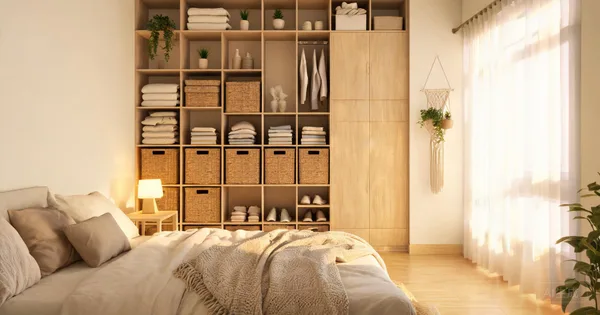
Adaptable Storage: Systems That Grow With Your Small Home
Lifestyles change—from solo to roommate to pets. Discover adaptable, modular storage systems that flex with your needs so you buy storage once.
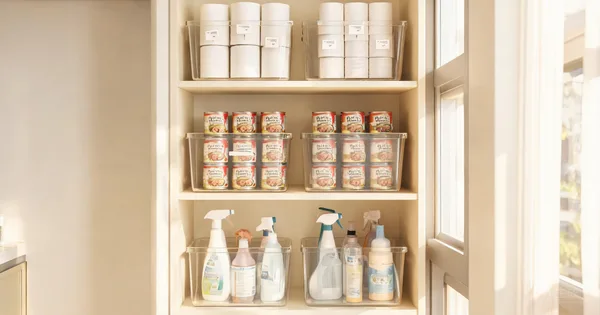
How to Store Bulk Items in a Small Apartment
Stocking up on paper towels and cleaning supplies shouldn't mean clutter. Learn how to manage bulk storage in a small apartment with a smart zone system.
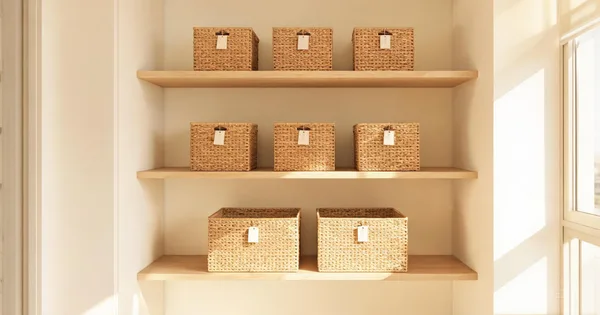
Guest-Ready in 10 Minutes: Storage for Quick Cleanups
What if friends texted and said they're coming over in 10 minutes? Build a guest-mode storage system so your small apartment looks tidy fast and stress-free.
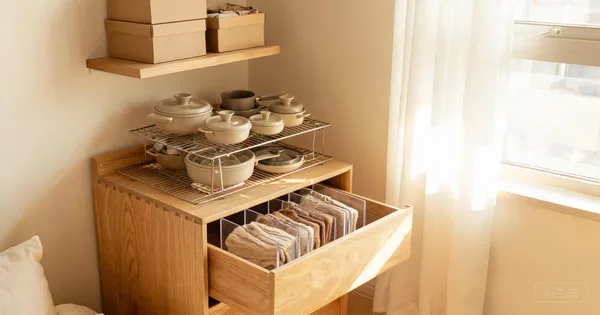
Ways to Repurpose: Clever Storage Hacks for Small Apartments
Save money and space by repurposing everyday items into smart storage. Discover creative upcycling hacks that organize your small apartment on a budget.