A Developer's Coffee/Tea Setup: How Build Desk Drink Station
Developers run on coffee, and with all the gear and tea varieties, things can get messy fast. This post covers how to build a desk drink station—from a...
I did the math: the latte at the coffee shop downstairs from the office is $4 a cup. I have 5 a week, which comes to $80 a month. That's nearly $1,000 a year. That money could buy me a decent coffee maker, or at least a year's worth of good beans.
So I decided to set up a drink station at both work and home. The problem is, my desk is only 1.2 meters wide, and my rental is just 12 square meters. Building a proper coffee/tea corner in such a small space has been my project for the past six months.
The Developer's Drink Pain Points
First, the pain points. See if any of these sound familiar.
Gear takes up space. Pour-over kettle, grinder, dripper, scale, server—at least 5 pieces. Put them on your desk and there's no room for the keyboard.
Too many types of tea. Green, black, oolong, pu'er, each with different origins and years. The bags keep multiplying, the drawer keeps filling up, and eventually you forget what you even have.
Cups everywhere. Mugs, glasses, tumblers, the French press's built-in cup... they pile up before you know it. Annoying to wash, takes up space just sitting around.
Consumables are chaotic. How long has that open bag of beans been around? Are the tea leaves past their date? How many filters are left? If you don't pay attention to these details, you end up drinking stale coffee, expired tea, or one morning discovering the filters ran out.
Coffee Gear Organization
My desk coffee setup has gone through three phases.
Phase 1: Instant coffee / drip bags. Easiest—just a cup. But after a while, it gets boring, like eating technical debt: it runs, but the experience is bad.
Phase 2: French press. Just one press, simple operation, takes up little space. Downside: a bit of a hassle to clean, and the taste isn't as clean as pour-over. Used it for three months, then upgraded.
Phase 3: Pour-over set. My current setup, which includes: a pour-over kettle (gooseneck, 350ml), a hand grinder (manual, portable), a V60 dripper (size 01, plastic), a scale (0.1g precision), and a server (300ml).
How do I store 5 things? Vertical storage + central location.
I have a small two-tier rack on my desk. The top tier holds the kettle and server. The bottom holds the grinder and dripper. The scale lives in a drawer when not in use, and I take it out when needed. The whole rack takes up about 20cm x 15cm of desk space—roughly the size of a monitor stand.
I went with a hand grinder, not for the aesthetic, but because electric grinders are loud. In an open office, using an electric grinder is a great way to get death stares from your neighbors. Hand grinding is more work, but it's quiet, and the grind consistency is more than good enough for everyday coffee.
I bought a box of 100 filters, which I keep in a small sealed bag next to the rack in a pen holder. The pen holder is vertical, the filters stand up in it—easy to grab, and they don't get squished.
Tea and Tea Set Organization
Tea is more complex than coffee—more varieties, mixed packaging, varying shelf lives.
My current tea collection: green tea (Longjing, Biluochun), black tea (Lapsang Souchong, Dianhong), oolong (Tieguanyin, Da Hong Pao), and pu'er (shou pu'er cake).
Unified packaging: I take all the tea out of their original packaging and put them into uniform sealed jars. The jars are glass + stainless steel lid, 100ml capacity, holding about 50g of loose leaf per jar. Each jar has a label with the tea type, purchase date, and recommended drinking window.
Unified packaging has two benefits: it looks neat visually, and the seal is better than the original packaging. A lot of tea comes in paper bags or ziplock bags that aren't super airtight, so the tea loses flavor over time.
Categorized storage: The jars live in a drawer organizer, with sections by tea type. Green tea in one slot (the kind that needs refrigeration goes in the office fridge), black and oolong in another, and pu'er in its own slot. Pu'er gets its own section because it absorbs odors—you can't store it with other teas.
Minimalist tea set: My desk tea set is just a glass cup and a tea strainer. Green tea is brewed right in the cup, black and oolong use the strainer. No gaiwan, no fairness cup, no tea tray. Not because I don't want them, but because they don't fit on the desk. The minimalist setup loses some ceremony, but it's practical.
Centralized Cup Management
Cups used to be my biggest pitfall. At one point, I had 4 cups on my desk: a coffee mug, a water glass, a tea cup, and a tumbler.
Now I'm down to two: a double-wall glass (for coffee and tea) and a tumbler (for water).
The double-wall glass is great because it's insulated—a fresh pour of coffee doesn't burn your hand. Plus, you can see the color of the coffee and the unfurling of the tea leaves through the clear walls, which is nicer visually than a mug. I went with 350ml—just right for one cup of coffee, and not too weak for tea.
The tumbler sits on a small cart under the desk, not taking up any desk space. It holds room-temp water for me to sip throughout the day. Developers can easily sit for hours without drinking water—having a tumbler right at your feet makes it easy to take a sip without getting up. Way easier than walking to the water cooler.
At home, I have a few extras: a glass server for pour-over coffee and a gaiwan for weekend tea sessions. But at the office, two cups is the limit.
Desk Drink Station Setup
Here's the full configuration of my desk drink station.
Minimal setup (under $30):
- One double-wall glass ($5)
- A box of drip coffee or tea bags ($7)
- A sealed jar ($3)
- A tumbler ($15)
This setup doesn't need any gear—the drip bags and tea bags handle the brewing for you. Perfect for someone who wants better drinks but doesn't want to fuss.
Upgraded setup (under $75):
- Pour-over kettle + grinder + dripper + scale ($45)
- Double-wall glass ($5)
- 2-3 tea sealed jars ($9)
- Small desk organizer rack ($7)
- Quality coffee beans/tea leaves ($9)
This is my current desk setup. Pour-over coffee plus freshly brewed tea, way better than drip bags and tea bags. The organizer rack keeps everything in its place without eating up desk space.
Pro setup ($150+):
- Electric grinder ($75+)
- Temperature-controlled pour-over kettle ($45+)
- More tea gear and storage
- Maybe a separate tea/water station
I don't have this setup, because my desk can't fit it. But if you have your own office or plenty of space at home, it's worth considering.
Restocking Consumables
I use a simple list for consumable management, stored in my phone's notes app.
Coffee beans: I buy 227g (half a pound) at a time, which lasts about 3 weeks. When I'm running low, I order 3 days in advance so I never run out. I rotate between two roasters to avoid palate fatigue.
Tea: Each type gets an "opened on" date. Green tea should be finished within 3 months, black and oolong within 6 months. Pu'er can be stored long-term but is best within 5 years. I prioritize the teas approaching their window so nothing goes to waste.
Filters: A box of 100 lasts about 4 months. I write the open date on the box and check the remaining count a week before it should run out.
Other: Replace the tumbler seal ring once a year, check the grinder burrs every two years for wear. These aren't consumables, but they affect the experience, so I keep them in the list as reminders.
Wrapping Up
After building out my desk drink station, my coffee spending dropped from $80 a month to $22 (beans + filters + occasional café visit). Tea is about $12 a month. Total around $34—less than half what I used to spend.
More importantly, the process of making my own coffee and tea has become a rare "off-screen" moment in my workday. The 3 minutes of pour-over—grinding, pouring, waiting for the drip—pulls me out of code and lets my brain go blank for a bit. For developers, that kind of short break is precious.
If you want to build a desk drink station, start with the minimal setup. You don't have to go all in right away—build the habit of doing it yourself first, then upgrade your gear over time. After all, drinking coffee is supposed to feel good, not stress you out.
Related Articles
Developer's Cure-All Bag: Organizing Commuter Bags, Travel
Developers carry a lot of stuff in their daily bag—laptops, chargers, earbuds, pens, tissues, all over the place. This post shares commuter bag...
Developer's Toolbox Organization: DIY Repair Tool Storage
Developers love to tinker, and homes are full of repair tools, but the one you need is never around. This post shares a tool categorization system, toolbox...
Developer's Guide Souvenirs Sentimental Clutter: Storage
Developers think logically, but sentimental items—gifts, photos, travel mementos—often stump them. This post shares a souvenir categorization method, digital...
Fridge Organization Hacks: Developer's Quick-Prep Food
A developer's fridge is often a black box—stuff goes in and gets forgotten, until one day you smell something funky and remember to clean. This post shares a...
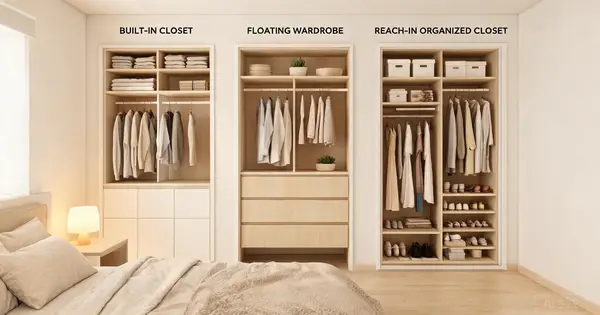
9 Closet Designs Compared: Best for Small Spaces 2026
From floor-to-ceiling built-ins to floating wardrobes — compare 9 small closet designs for 2026. Find the perfect space-saving solution for your apartment.
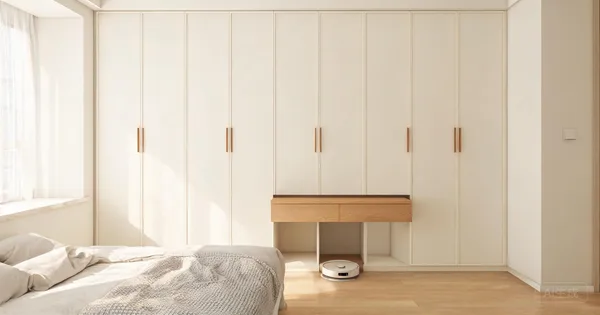
Low-Maintenance Storage: 5 Designs for a Cleaner Small Apartment
Storage should save space AND save your time. Explore 5 low-maintenance storage designs that keep your small apartment cleaner with less daily effort.