Storage Box Buying Guide: Transparent vs. Opaque —
When buying storage boxes, should you go transparent or opaque? As a developer who's organized over a hundred boxes, I'll break it down from use case...
I now have over 30 storage boxes in my home.
From the pen case on my desk, to the clothing boxes in my closet, to the spice jars in my kitchen — storage boxes have permeated every corner of my life. But honestly, when I first started buying storage boxes, I never thought about the transparent vs. opaque question — I just bought whatever looked good.
That led to a lot of trial and error. Some things in transparent boxes looked chaotic. Some things in opaque boxes were impossible to find. Only later did I slowly figure out the pattern: transparent and opaque each have their own use cases.
I'm sharing what I've learned today, to help you skip the dead ends.
Transparent Storage Boxes: See It All, but Can Look Messy
Pros
Find things fast: This is the biggest advantage of transparent boxes. You don't need to open the lid, you can see what's inside at a glance. My transparent boxes on the desk let me find a USB drive, SD card, or adapter in ten seconds.
Reminds you what you have: Things in transparent boxes are always visible, so you won't forget what you own. My transparent clothing boxes in the closet — every time I open the closet, I see what's inside, no duplicate buying.
Aesthetic (if organized neatly): If the items inside are uniform in color and neatly arranged, transparent boxes actually work as a display. My figurine box, my keyboard keycap box — the transparent look is genuinely nice.
Cons
Looks messy: This is the biggest downside. If the items inside are varied in color and shape, transparent boxes expose that chaos completely. I once shoved all my data cables into one transparent box, and it looked like a bird's nest — better off without the "organization."
Forces you to keep it tidy: Because you can see inside, the slightest mess is visible. Opaque boxes let you live in denial; transparent boxes force you to keep things neat.
Sun exposure can cause aging: Transparent plastic in direct sunlight over time can turn yellow and become brittle. I had a transparent box on the balcony for over a year, and the edges had already yellowed.
Best Use Cases
Desk / work area: Pens, digital accessories, tools — these need frequent access and come in many types, so transparent boxes are most convenient.
Closet (when categories are clear): If you've sorted by type — one box for T-shirts, one for socks — transparent makes finding them fast.
Kitchen (spices, dry goods): Kitchen items need to be found quickly, and transparent boxes let you see at a glance. Plus kitchen items tend to have uniform colors, so they don't look chaotic.
Display purposes: Figurines, collectibles, cosmetics — these are things you want to show off, and transparent boxes enhance the look.
Opaque Storage Boxes: Out of Sight, Out of Mind — but Harder to Find
Pros
Hides the mess: This is the biggest advantage. No matter how messy inside, close the lid and you don't see it. I have a few opaque boxes on the top shelf of my closet, stuffed with off-season clothes and old bedding — chaotic inside, but the lid's closed, and the world is at peace.
Unified visual: If all the boxes are the same color and style, the whole space looks neat. A row of white opaque boxes on my living room bookshelf looks much more uniform than a bunch of multi-colored transparent ones.
Privacy: Some things you don't want others to see, like underwear, medicine, private documents — opaque boxes are the right call.
Durable and sun-resistant: Opaque plastic or fabric doesn't yellow easily, so you can put them on the balcony or in direct sunlight with no issues.
Cons
Harder to find things: You have to open the lid to know what's inside. Sometimes I want to find a shirt, and I have to open three or four boxes before I get it — annoying.
Easy to forget what you have: Things go in, lid closes, and over time you forget what you have. Once I bought a new sweater, only to find a nearly identical one already in a box during a cleanup — wasted money.
Labels are necessary: To solve this, you have to use labels. But labels come with their own hassle: they fall off, get written wrong, need updating, all requiring re-work.
Best Use Cases
Closet (miscellaneous, off-season clothes): Rarely worn clothes, bedding, sheets — opaque boxes, hide the mess, keep the dust off.
Living room (miscellaneous storage): Remotes, batteries, manuals — these small things, opaque boxes look clean.
Bathroom: Toiletries, cleaning supplies, opaque boxes protect privacy, and look clean.
Under bed / storage room: Long-term storage, infrequent access, opaque boxes are the value pick.
My Hybrid Approach
After two years of trial and error, I now use a "transparent + opaque" hybrid:
Desk area: All transparent boxes. Digital accessories, pens, tools — frequent access, transparent is most convenient.
Closet area: Top opaque (off-season clothes, bedding), bottom transparent (everyday wear). Easy to find the things I use often, and the things I don't are out of sight.
Kitchen area: Spices and dry goods in transparent boxes (visible at a glance), cleaning supplies in opaque (hide the mess).
Living room area: All opaque boxes, all white, visually clean.
Buying Recommendations
If You Value Efficiency
Go transparent. Find things fast, no labels needed, perfect for scenarios with lots of items and frequent access.
But be aware: items in transparent boxes need to be clearly categorized, don't just shove everything in. Use small dividers or smaller boxes within the transparent box to subdivide.
If You Value Aesthetics
Go opaque, with uniform color and style. White, beige, gray are the most versatile, going with any decor.
But you need a good label system. I use a label printer, the output is clean and clear, stuck on the box. Handwritten labels fall off and smear easily, not recommended.
If You're on a Budget
Transparent boxes are usually a bit more expensive than opaque (more material, more complex manufacturing). If budget is tight, prioritize transparent in scenarios with frequent access, and use opaque elsewhere.
Material Choice
Plastic: the most common, cheap, lightweight, waterproof. Go for PP material, more durable, no smell. Don't get ones that are too thin, they deform easily.
Fabric: nice-looking, soft, can fit odd shapes. But not waterproof, collects dust, hard to clean.
Paper: cheap, eco-friendly, but fears moisture and pressure, not suitable for heavy items or humid environments.
Acrylic: the best feel, glass-like transparency. But expensive, and easy to scratch. Good for display, not for everyday organization.
Building a Label System
If you use opaque boxes, labels are essential. Here's my label system:
Label content: be specific about what's inside. Don't write "Clothes," write "Winter Sweaters." Don't write "Misc," write "Charging Cables + Batteries."
Label position: stick it on the front of the box, at eye level. Not on the top, where you have to look down to see it.
Label updates: when contents change, update the label. I use peelable label paper, peel off and re-stick when the content changes, no residue.
Color coding: different colored labels for different categories. Blue for clothes, green for digital, red for important documents. That way, even without reading, you can quickly identify the category.
Summary
There's no absolute right or wrong between transparent and opaque storage boxes — it depends on the use case.
If you need frequent access, have lots of variety, and value efficiency, go transparent. If you need to hide the mess, value visual unity, or are storing long-term, go opaque.
The best solution is to use them together, choosing what fits each scenario. Pair it with a good label system, and your organization efficiency will improve significantly.
I hope this guide helps. If you have your own storage box tips, feel free to share them in the comments.
Related Articles
Pets Organization Coexisting: Developer's Guide Tidying Up
A must-read for developer cat owners! Full organization plan for cat food, litter, toys, and fur — keep pet supplies tidy and live in harmony with your cat.
Small Kitchen Storage Essentials: 15 Must-Have Gadgets
As a developer who cooks at home often, I know the pain of a tiny kitchen. This article shares 15 kitchen storage heroes I've tested — from spice racks to...

Adaptable Storage: Systems That Grow With Your Small Home
Lifestyles change—from solo to roommate to pets. Discover adaptable, modular storage systems that flex with your needs so you buy storage once.
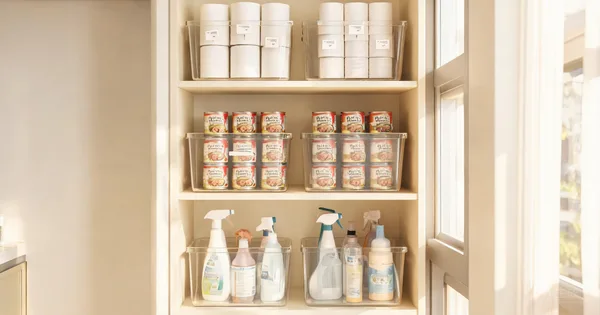
How to Store Bulk Items in a Small Apartment
Stocking up on paper towels and cleaning supplies shouldn't mean clutter. Learn how to manage bulk storage in a small apartment with a smart zone system.
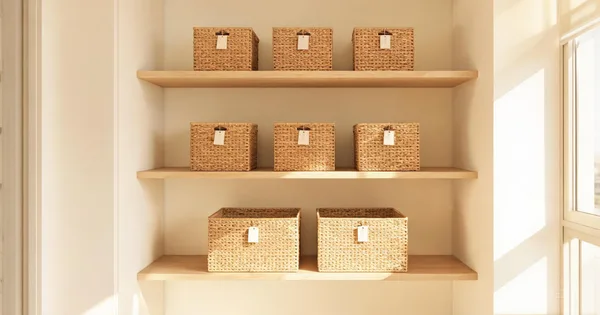
Guest-Ready in 10 Minutes: Storage for Quick Cleanups
What if friends texted and said they're coming over in 10 minutes? Build a guest-mode storage system so your small apartment looks tidy fast and stress-free.
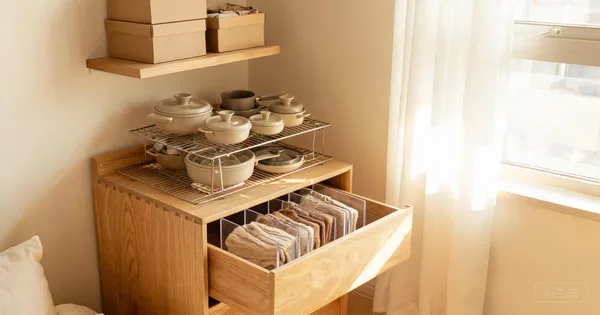
Ways to Repurpose: Clever Storage Hacks for Small Apartments
Save money and space by repurposing everyday items into smart storage. Discover creative upcycling hacks that organize your small apartment on a budget.