Wall Bed vs Murphy Bed: Differences & Buying Guide
Confused about wall beds vs murphy beds? Learn the key differences, pros andcons, and which space-saving bed is right for your small apartment or guestroom.
Here's a question I get all the time: "What's the difference between a wall bed and a murphy bed?" When I first started looking at space-saving beds for my studio apartment, I thought they were the same thing. Spoiler: they're not, and the difference matters for your wallet and your living space.
Let me break it down for you, based on hours of research and my own experience installing both in different apartments I've rented.
The Short Answer
A murphy bed is a type of wall bed. All murphy beds are wall beds, but not all wall beds are murphy beds. Think of it like this: "wall bed" is the general category, and "murphy bed" is a specific style within that category.
Confused? Don't worry — I was too. Let me explain the actual differences that affect you as a shopper.
What Is a Murphy Bed?
A murphy bed folds vertically into a cabinet or closet. The name comes from William Lawrence Murphy, who invented the design around 1900 when he needed to turn his one-room apartment into a parlor for entertaining.
Key Murphy Bed Features
- Folds vertically (up and down)
- Hides in a cabinet that looks like furniture when closed
- Mattress stays attached — no need to make or store it separately
- Uses a spring or piston mechanism to help lift and lower
- Requires wall mounting for safety
I had a murphy bed in my first studio apartment. When guests came over, I'd fold it up in 30 seconds and suddenly had space for a dinner party. When it was closed, it looked like a nice bookshelf — no one guessed it was a bed.
What Is a Wall Bed?
"Wall bed" is an umbrella term for any bed that stores against the wall. Murphy beds are one type, but there are others:
Types of Wall Beds
1. Murphy Beds (Vertical Fold)
The classic — folds up into a cabinet. Best for daily use and guest rooms.
2. Horizontal Wall Beds
Folds sideways instead of up and down. Good if you have low ceilings or limited vertical space.
3. Cabinet Beds (Chest Beds)
A smaller, more portable option that looks like a dresser or chest. The mattress folds inside. Easier to move and doesn't always need wall mounting.
4. Wall Bed Systems with Desk/Shelves
Integrated furniture that combines a bed with a desk, bookshelves, or storage. My current apartment has one with a desk, and I work from it every day.
5. Pull-Down Beds in Closets
These are murphy-style beds installed inside an existing closet. Good if you don't want to modify your walls permanently.
Side-by-Side Comparison
Let me put this in a table so you can see the differences at a glance:
| Feature | Murphy Bed | Horizontal Wall Bed | Cabinet Bed |
|---|---|---|---|
| Fold direction | Vertical (up/down) | Horizontal (sideways) | Folds into a chest |
| Wall mounting required | Yes | Yes | Sometimes |
| Mattress included | Usually (attached) | Usually (attached) | Yes (folds inside) |
| Floor space when open | 7–8 ft lengthwise | 6–7 ft widthwise | 6–7 ft lengthwise |
| Easiest to move | Hard (built-in) | Hard (built-in) | Easy (portable) |
| Best for | Daily use, guest rooms | Low ceilings | Occasional guests |
| Price range | $800–$3,000+ | $800–$2,500 | $300–$1,000 |
Pros and Cons of Each
Murphy Bed Pros and Cons
Pros:
- Looks like furniture when closed (clean, finished look)
- Comfortable for daily use (mattress stays flat)
- Lots of style and size options
- Can integrate with desks and shelves
Cons:
- Expensive (most cost $1,000+)
- Requires wall installation (drilling, finding studs)
- Hard to move if you change apartments
- Takes up more wall width than horizontal beds
Horizontal Wall Bed Pros and Cons
Pros:
- Works in rooms with low ceilings (under 8 ft)
- Better for narrow rooms where length is limited
- Easier for kids or shorter people to reach
Cons:
- Less common (fewer options to choose from)
- Cabinet takes up more vertical wall space visually
- Not ideal for very tall people (shorter mattress length)
Cabinet Bed Pros and Cons
Pros:
- Cheapest option ($300–$1,000 usually)
- Portable — take it with you when you move
- No wall mounting needed (most are freestanding)
- Looks like a dresser when closed
Cons:
- Mattress is usually thinner (4–6 inches)
- Less comfortable for daily use
- Smaller sleeping surface (usually twin or full)
- You have to remove bedding before folding
Popular Brands Worth Considering
After testing and researching, here are the brands I'd actually recommend:
Bestar
Bestar is my go-to for murphy beds. They're mid-range in price but feel high-quality. The mechanisms are smooth, the cabinets look nice, and their warranty is solid (10 years on most models). I currently have a Bestar murphy bed with a desk, and it's holding up great after two years of daily use.
Leto Muro
If you want something that looks more like high-end furniture, Leto Muro is worth a look. Their wall bed cabinets have clean, modern designs. They're on the pricier side, but if you're using it in your main living space, the aesthetic matters.
Night & Day Furniture
This brand makes some of the best cabinet beds. Their "Murphy Cabinet Bed" line is popular because it's genuinely comfortable for a cabinet bed, and the quality is better than most budget options.
Canora Grey
For the budget shoppers out there, Canora Grey offers decent murphy beds at lower prices. The quality isn't Bestar-level, but if you're using it occasionally or are a student on a budget, they're worth considering.
Price Ranges by Type
Here's roughly what you can expect to pay (as of 2026):
| Type | Budget | Mid-Range | Premium |
|---|---|---|---|
| Murphy Bed (Twin) | $500–$800 | $1,000–$1,800 | $2,000–$3,500 |
| Murphy Bed (Queen) | $800–$1,200 | $1,500–$2,500 | $2,500–$5,000 |
| Cabinet Bed (Twin/Full) | $200–$500 | $500–$800 | $800–$1,500 |
| Horizontal Wall Bed | $700–$1,000 | $1,200–$2,000 | $2,000–$3,500 |
How to Choose Which One Is Right for You
Ask yourself these questions:
1. How often will you use it?
- Every night: Get a quality murphy bed with a thick (10"+) mattress
- A few times a month: A mid-range murphy bed or high-end cabinet bed works
- Once a month or less: A cabinet bed is probably fine (and saves money)
2. Can you drill into the walls?
If you rent and your landlord won't let you drill, a cabinet bed is your best bet. Some murphy beds claim to be freestanding, but I'd be cautious — wall mounting is a safety thing, not just a stability thing.
3. What's your ceiling height?
- Under 8 ft: Consider a horizontal wall bed or cabinet bed
- 8 ft or taller: Standard murphy beds work fine
4. How often do you move?
If you move every year like I used to, a cabinet bed is easier to transport. Murphy beds are built-in — moving them usually means taking them apart and potentially patching walls.
5. Do you want extra features?
Desks, bookshelves, side cabinets — murphy bed systems offer the most integrated features. Cabinet beds are simpler, but some have drawers for storage.
Wall Mounting Safety Tips
If you go with a murphy bed or horizontal wall bed, please don't skip proper installation. I've seen stories of beds falling off walls, and it's not pretty.
Always mount to studs. Drywall alone won't hold it. Use a stud finder, and if the studs don't line up, use heavy-duty wall anchors rated for the weight.
Get help installing it. The mechanism and cabinet are heavy. Trying to do it alone is how you hurt yourself or damage the wall.
Follow the weight capacity. Every bed has a maximum weight limit. Don't exceed it — that includes you plus the mattress plus any blankets and pillows.
Final Recommendation
If I had to pick one for most people in small apartments, I'd go with a mid-range murphy bed cabinet. It's the most versatile — comfortable enough for daily use, looks nice when closed, and there are tons of options at different price points.
But if you move a lot, have strict landlords, or just need something for occasional guests, a cabinet bed is the more practical choice.
The key is figuring out your actual needs before you buy. Measure your space, think about how often you'll realistically use it, and don't forget to budget for a good mattress if it's not included.
Related Articles
Best Murphy Bed with Desk 2026: Top Picks Small Apartments
Looking for the best murphy bed with desk for your small apartment? Our 2026guide reviews top picks, compares features, and helps you choose the rightone.
Space Saving Furniture Ideas: 20 Creative Pieces Apartments
Discover 20 creative space-saving furniture ideas perfect for small apartments. From multi-functional pieces to foldable solutions, transform your compact...
Small Apartment Living Room Ideas: 20 Space Saving Solutions
20 smart small apartment living room ideas that maximize space. From multi-functional furniture to hidden storage, these solutions work for studios and...
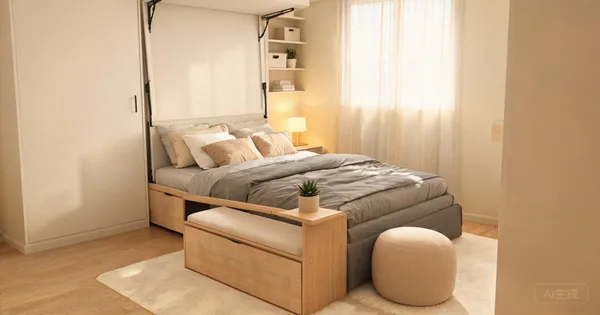
Multi-Functional Furniture: 10 Space-Saving Picks for 2026
Every piece should earn its square footage. Review 10 multi-functional furniture picks—from storage ottomans to murphy beds—that save space and add storage.
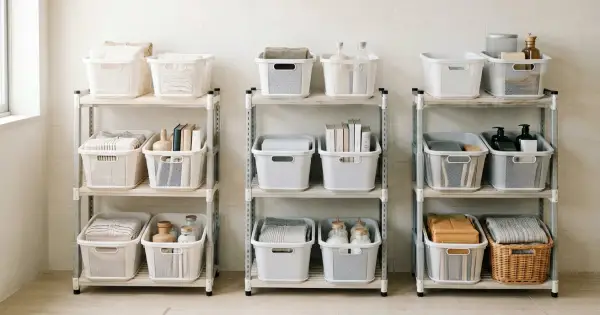
5 Best Foldable Storage Shelves 2026: Tested for Small Apartments
Foldable storage shelves are 2026's hottest small apartment essential. I tested 5 top models for durability, capacity, fold mechanism, and real-world use. Find the perfect one for your space.
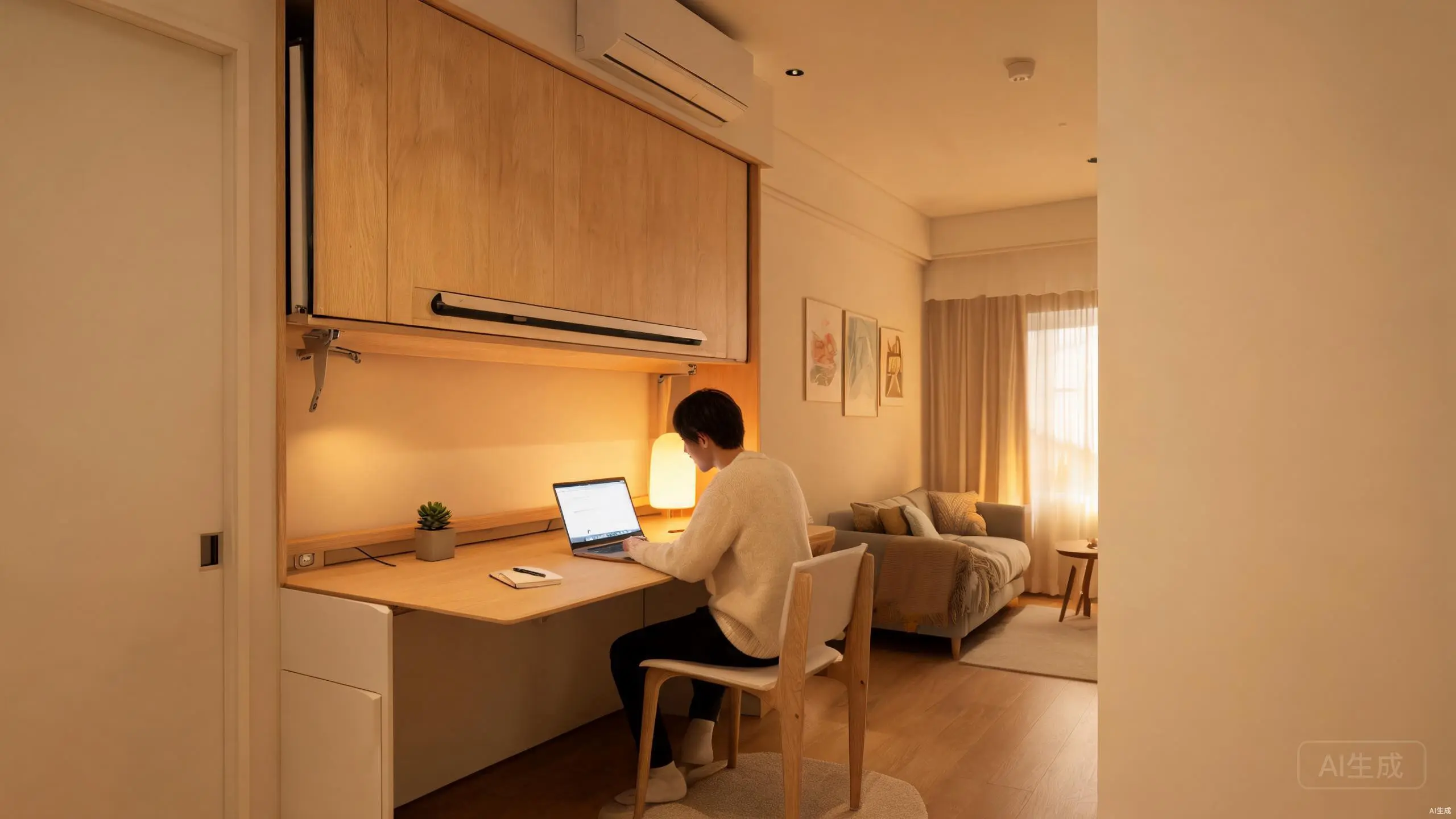
Murphy Bed with Desk: My 3-Month Test in a Small Apartment
I tested a murphy bed with desk in my 35 sq m apartment for 3 months. Here's what works, what doesn't, and which models are worth the money.