Utility Cart Storage Revolution: 3-Tier, 4-Tier, 5-Tier Cart
From kitchen to bathroom, hands-on test of 5 popular utility carts. A developer shares 10 creative uses for utility carts, the universal storage tool that...
The first apartment I rented had a 32 sq ft kitchen. After putting the induction cooker and cutting board on the counter, there was no space left — the spice bottles had to pile up on the windowsill. The bathroom had no shelf, so shampoo and body wash sat on the floor, and I kept kicking them when I showered. I'd just started working, couldn't afford a big cabinet, and didn't want to drill holes in the rental to install shelves.
That was until I saw the IKEA RÅSKOG cart in the store. $28, three tiers, with wheels. I carried one home on the spot, and it opened up a whole new world. Three years later, I've got four utility carts in my place — in the kitchen, bathroom, living room, and study. It's basically the universal storage game-changer for renters.
1. The Core Advantages of a Utility Cart
Movable: with swivel casters, push it wherever you want. In the kitchen, push it next to the stove when cooking, next to the dining table when eating, next to the sink when cleaning. My kitchen cart serves as a spice station by the stove during the day, and gets pushed to the corner at night so it doesn't get in the way.
Multi-tier organization: three, four, five tiers — each tier holds a different category, easy to grab. The open design beats a cabinet because you don't have to open a door and dig around. You can see what you need at a glance.
Doesn't take up much space: usually 12-16 inches wide, fits into all kinds of narrow gaps. My bathroom cart is squeezed into the gap between the toilet and the sink, exactly 14 inches wide — perfectly using that dead corner.
Can be taken when you move: assembly and disassembly are simple. When you move, just take it apart into a few rods and boards, throw it in a bag, and take it with you. I've moved twice, and all four carts came with me. Zero depreciation.
2. Tier Count Comparison
3-Tier Cart
About 28-32 inches tall, suitable for use while sitting or at counter height.
Pros: stable, lightweight, cheap. My kitchen and bathroom are both 3-tier — no bending or reaching to grab things.
Cons: limited capacity, can't hold too much.
Best for: spice station, wash station, bedside storage, small tool cart.
4-Tier Cart
About 35-39 inches tall, one more tier of capacity, but the center of gravity is higher.
Pros: 25% more capacity than 3-tier, great for when you've got more stuff. My 4-tier in the living room holds snacks, drinks, remotes, and chargers — one category per tier.
Cons: top-heavy when the top tier is loaded, be careful when pushing. I once had a box of milk on the top tier, and the cart almost tipped over.
Best for: snack station, stationery station, multi-purpose storage.
5-Tier Cart
About 43-47 inches tall, the largest capacity, but the least stable.
Pros: holds a lot, one category per tier, the most granular classification. My 5-tier in the study, from top to bottom: frequently used books, notebook and tablet, stationery and accessories, charging cables and power strips, backup odds and ends.
Cons: tall, easy to wobble; need to tiptoe to reach the top; not for heavy items.
Best for: study, bedroom, light item storage.
3. Material Comparison
Metal Mesh
Representative: IKEA RÅSKOG
Pros: good load capacity, breathable, easy to clean, industrial style looks good. My kitchen metal cart has been going for three years — oil comes off with a wipe, no rust.
Cons: small items can fall through the mesh, need a storage basket; metal clanging makes noise.
Best for: kitchen, tools, heavy item storage.
Plastic
Representative: various domestic plastic carts
Pros: light, cheap, lots of colors, won't rust. My bathroom cart is plastic — not afraid of moisture.
Cons: load capacity isn't as good as metal, heavy items will deform it; quality feels cheap; plastic ages and gets brittle over time.
Best for: bathroom, kids' room, budget users.
Wood
Pros: looks great, warm, pairs well with natural wood decor.
Cons: heavy, fears moisture, expensive, load capacity is average.
Best for: living room, bedroom, decorative storage.
Fabric
Pros: light, cheap, foldable, fabric pockets are good for small items.
Cons: poor load capacity, stains easily, doesn't hold its shape.
Best for: temporary storage, light items, bedroom.
4. Five Popular Utility Carts Reviewed
1. IKEA RÅSKOG
Price: around $28-35
The gold standard in utility carts. Metal mesh, three tiers, multiple colors available. I've bought two — one white in the kitchen, one black in the living room.
Pros: solid quality, good load capacity, smooth wheels, rich accessory ecosystem (hooks, shelves, baskets sold separately). Cons: small things can fall through the mesh, need to add a tray or storage box; price isn't super cheap.
If you only buy one utility cart, I recommend this one. There's a reason it's a classic.
2. IKEA VESKEN
Price: around $7
IKEA's budget option, plastic, four tiers, slightly smaller than RÅSKOG.
I bought one for the bathroom, squeezed next to the toilet, holding toilet paper, cleaning supplies, spare shampoo. Pros: cheap, water-resistant, just the right size for a narrow gap. Cons: load capacity is weak, can't hold heavy stuff; quality feels cheap.
Best for budget users with tight spaces.
3. Domestic Metal Cart (Amazon Best-Seller)
Price: around $11-17
Imitating the IKEA RÅSKOG design, metal mesh, three or four tiers. I bought a 3-tier one for the study.
Pros: cheap, half the price of IKEA; functions similar to RÅSKOG. Cons: rough workmanship, sharp edges — I cut my hand during assembly; wheels aren't smooth, they stick when pushing; paint is uneven, peels over time.
Best for users on a tight budget who don't mind the build quality.
4. Wood Utility Cart
Price: around $21-35
My girlfriend bought a wood one for the bedroom, three tiers, holding skincare, jewelry, and scented candles.
Pros: good looking, blends right in with the wood furniture in the bedroom; each tier has raised edges so small things don't fall off. Cons: heavy, exhausting to move; fears moisture, can't be in the bathroom; load capacity is average, can't hold heavy items.
Best for the bedroom, living room, and users who care about looks.
5. Utility Cart with Drawers
Price: around $25-42
Some models replace the open shelves with drawers — better dust protection. I bought a 3-drawer one for the entryway, holding masks, keys, and box-opening tools.
Pros: dust-proof, more private, looks clean. Cons: drawers take up the internal height, can't fit tall items; one more step of opening the drawer, not as convenient as open shelves.
Best for entryway, bedroom, situations that need dust protection.
5. Creative Uses Galore
Mobile kitchen spice station: daily spices (salt, soy sauce, vinegar) on the first tier, backup spices and dry goods on the second, utensils (spatula, ladle, scissors) on the third. Push it next to the stove when cooking, push it back to the corner when done.
Mobile bathroom wash station: daily use (face wash, toothbrush, face cream) on the first tier, shower products (shampoo, body wash) on the second, backups (toilet paper, cleaning supplies) on the third. My bathroom cart — pushed to the sink in the morning, and to the shower area at night.
Living room snack + drink bar: snacks on the first tier, drinks on the second, cups and bottle openers on the third. Push next to the sofa when watching movies — no need to get up for snacks. On weekends at home, this cart is my resupply station.
Study stationery + book mobile station: frequently used books and notebook on the first tier, stationery (pens, sticky notes, stapler) on the second, charging cables and power strips on the third. Push next to the desk, grab whatever you need. Sometimes I code in the living room, and the cart comes right with me.
Bedside stand-in: water cup and phone on the first tier, eye mask and earplugs on the second, book to read before bed on the third. More flexible than a nightstand — doesn't take up space, just push it aside when cleaning.
Balcony mobile plant station: a few small green plants on each tier, push them to the window for sun, push them inside at night. My balcony cart has six succulents — easy to move, no fear of too much sun.
Entryway key + mask + delivery station: keys and access card on the first tier, masks and sanitizer on the second, box-opening tools (scissors, marker) on the third. Drop them off when you come in, grab them on the way out.
Pet supplies station: pet food on the first tier, treats and toys on the second, cleaning supplies (brush, wet wipes, poop bags) on the third. My roommate has a cat, and one cart handles all the pet stuff.
Mobile laundry basket: put two hampers on the cart — clean clothes on one tier, dirty clothes on the other — push it next to the washing machine and dump it in. I tried this, but the cart's load capacity is limited — too many clothes and it sags, so I gave up.
Temporary nightstand: when guests come to stay, push the cart next to the bed for water, phone, and chargers — much more practical than buying a temporary nightstand.
6. Accessory Recommendations
Side-hanging basket: hang it on the side of the cart, adds extra storage. My kitchen cart has two on the side — for ginger and garlic, and aprons.
Hooks: for spatulas, ladles, headphones, keys. IKEA RÅSKOG has dedicated hooks, and there are universal third-party options.
Non-slip mat: lay one on the mesh tier, so small things don't fall through. I bought pre-cut mesh mats — problem solved for a couple bucks.
Storage boxes / trays: put storage boxes on the tier for more granular organization. My kitchen cart has two storage boxes on each tier — one for spice bottles, one for dry goods bags.
7. Buying Recommendations
Tier count: kitchen and bathroom go with 3-tier, easy to grab; living room and study can go 4- or 5-tier, more capacity.
Material: kitchen — metal, oil-resistant and easy to clean; bathroom — plastic, water-resistant and rust-free; bedroom and living room can be wood, looks first.
Measure your space: measure the gap width where you want to put it, leave 1 inch of margin for sliding in and out. My bathroom gap is 15 inches wide, and I bought a 14 inch cart — perfect.
Check the wheels: swivel casters should be smooth, preferably with brakes. My living room cart didn't have brakes, and when the cat jumped on, the cart would roll away. I added brake pads myself.
Load distribution: heavy on the bottom, light on top — keep the center of gravity stable. This is a hard lesson — I put a full water jug on the top once, the cart almost flipped.
The utility cart is the most-used storage tool in my three years of renting. Four carts for under $115 total solved storage in the kitchen, bathroom, living room, and study — and they all came with me when I moved. If you can only buy one piece of storage furniture for your rental, I recommend the utility cart.
Related Articles
Small Apartment Storage Cart Guide: Flexible Mobile Storage
What renters need most isn't big cabinets, but storage systems that move with you. Storage carts are the perfect solution—flexible, mobile, multi-scenario....
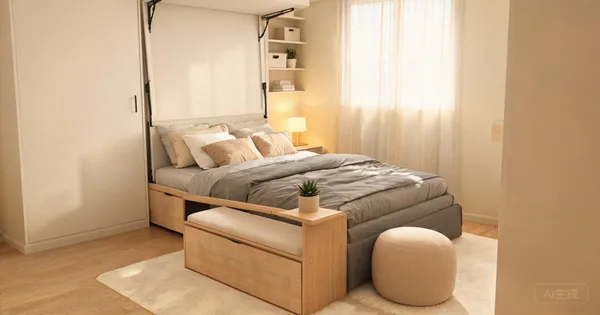
Multi-Functional Furniture: 10 Space-Saving Picks for 2026
Every piece should earn its square footage. Review 10 multi-functional furniture picks—from storage ottomans to murphy beds—that save space and add storage.
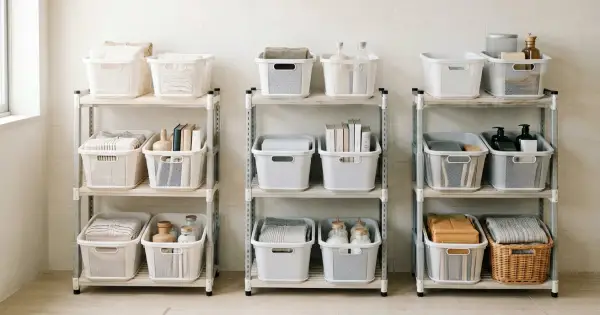
5 Best Foldable Storage Shelves 2026: Tested for Small Apartments
Foldable storage shelves are 2026's hottest small apartment essential. I tested 5 top models for durability, capacity, fold mechanism, and real-world use. Find the perfect one for your space.
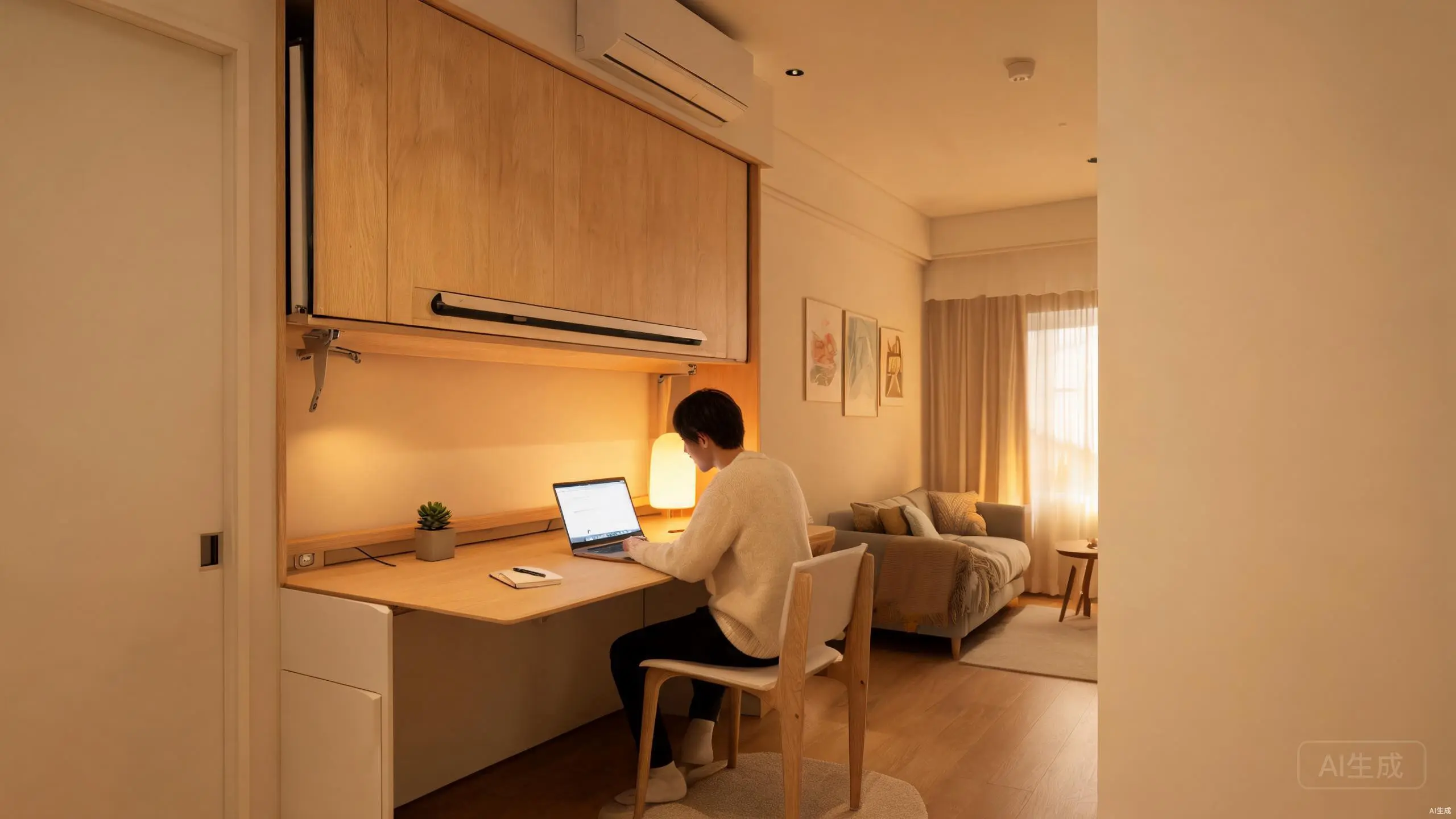
Murphy Bed with Desk: My 3-Month Test in a Small Apartment
I tested a murphy bed with desk in my 35 sq m apartment for 3 months. Here's what works, what doesn't, and which models are worth the money.
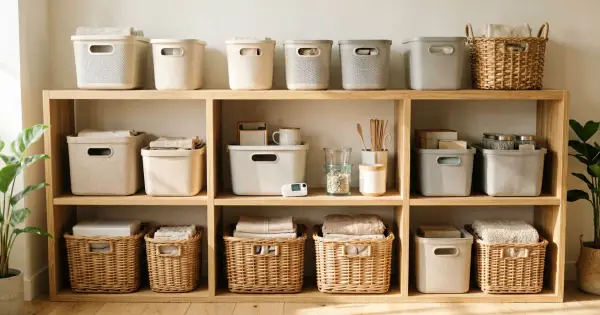
Smart Storage Systems 2026 Tested: Worth the Money or Gimmick?
I tested 5 smart storage systems for small apartments in 2026. From motorized shelves to app-controlled closets, here's what actually works and what's a waste of money.
Pegboard Beyond the Kitchen: 6 Room-by-Room Setups
I tested pegboard setups in 6 rooms of my 35sqm apartment, from bathroom to entryway. Here's what works, what doesn't, and the exact hardware you need for each space.