Big Storage Material Showdown: Plastic, Fabric, or Metal?
Choosing storage? Material matters. Plastic, fabric, and metal each have their pros and cons. This article deeply compares these three mainstream storage...
When you're buying storage tools, beyond size and style, the material is a key decision.
Plastic, fabric, and metal are the three most common storage tool materials. I have all three at home, and I've stepped on landmines with each, but I've also had my "this is amazing" moments. Today I'm comparing these three materials from a real-world-use perspective, to help you pick the one that fits you best.
Plastic Storage: The Most Popular, but With Pitfalls
Plastic storage tools are the most numerous in my home, from the small boxes on my desk to the clothing bins in the closet. They make up about 70%.
Pros
Cheap: this is plastic's biggest advantage. A regular plastic storage box costs anywhere from a couple bucks to a few dozen. The same size in fabric or metal can be twice as much.
Water-resistant and moisture-proof: plastic doesn't absorb water, so it's totally fine in humid environments like the bathroom, kitchen, or balcony. All my bathroom toiletries are in plastic boxes, and after two years there's no mold.
Easy to clean: when it gets dirty, just wipe with a damp cloth, or rinse it under the faucet. My kitchen spice boxes get washed once a week, and plastic is no hassle at all.
Can be transparent: plastic can be made transparent, so you can see what's inside at a glance. Fabric and metal can't do this.
Lightweight: plastic is inherently light, easy to move and stack. The storage boxes on the top shelf of my closet are plastic, I can pull one down by myself. With fabric or metal, it's a workout.
Cons
Feels cheap: cheap plastic looks tacky, the sheen is off, and it yellows over time. I bought a few $1.50 free-shipping ones, and after six months they were warped and discolored. Straight in the trash.
Not heat-resistant: plastic can't hold hot stuff, and shouldn't be placed near a heater. I had a plastic storage box sitting on a heater, and by the end of winter the bottom was warped.
Scratches easily: especially transparent plastic, the surface gets all scratched up over time and looks old.
Environmental concerns: cheap plastic can have a smell, or even release harmful substances. I bought a few cheap plastic boxes, opened them and got a sharp smell, had to air them out for a week.
Best for
- Kitchen (spices, utensils, cleaning supplies)
- Bathroom (toiletries, cosmetics)
- Closet (clothes, bedding, choose with lid for dust-proof)
- Desk (stationery, tech accessories, transparent is most convenient)
- Kids' room (toy storage, lightweight and safe)
Buying tips
Check the material label: go with PP (polypropylene) or PET, safe and non-toxic. PVC is cheap but can have a smell, not recommended.
Check the thickness: too thin and it warps, go for something solid. Squeeze it with your hand, the one that doesn't deform easily is the better choice.
Smell test: if there's a sharp smell when you open the package, send it back. Good plastic shouldn't have a noticeable odor.
Stick to brand names: brands like Chahua, Xitianlong, MUJI have much better quality plastic storage than no-name brands.
Fabric Storage: Pretty but High-Maintenance
Fabric storage tools make up about 20% in my home, mostly clothing bins in the closet and miscellaneous baskets in the living room.
Pros
Looks great: the texture of fabric is something plastic can't match. Cotton, linen, canvas, oxford — all kinds of textures and colors, brings a warmth to the home. The fabric storage baskets in my living room are gray canvas, they match the sofa beautifully.
Soft and malleable: fabric can change shape to fit the contents, super convenient for oddly shaped items. I have a fabric storage box stuffed full of scarves and hats in all shapes, the box is bulging out but a plastic one wouldn't fit it all.
Quiet: fabric has no hard-collision sound, opening and closing is silent. Plastic lids snap shut, fabric doesn't have that issue.
Breathable: fabric has some breathability, so clothes and bedding don't get that "stale" smell. The fabric clothing bins in my closet — clothes stored for months come out without that closed-up smell.
Cons
Not water-resistant: this is fabric's biggest deal-breaker. Put it in the bathroom or kitchen, splash some water on it and it's done. I once put a fabric storage basket in the kitchen, splashed some water, the bottom got wet, and even after drying there was a water stain.
Hard to clean: fabric usually can't be machine washed (some can, but they lose shape after). When it gets dirty you can only wipe the surface. My living room fabric storage basket has dirty corners after a year, but I can't wash it, so I just have to replace it.
Poor load capacity: put heavy stuff in it and fabric will deform and sag. I tried putting books in a fabric box, the bottom caved in and the handle broke.
Collects dust: fabric surfaces have texture, so dust sticks easily. Especially open-top fabric baskets, after a few days without wiping there's a layer of dust.
Attracts bugs: if you put food or damp stuff in it, fabric is more bug-friendly than plastic. I once put snacks in a fabric storage box, and ended up with ants.
Best for
- Closet (clothes, bedding, linens)
- Living room (odds and ends, remotes, magazines, choose with lid for dust-proof)
- Bedroom (underwear, socks, pair with drawers)
- Kids' room (toys, soft and safe)
Buying tips
Check the fabric: oxford is the most durable, canvas looks great but stains easily, cotton/linen has texture but wrinkles easily. Pick based on the use case.
Check the lining: good fabric storage boxes have a waterproof coating or hard paperboard inside, so they hold their shape and offer some water resistance.
Check the workmanship: stitching should be neat, zippers should be smooth, handles should be sturdy. These details determine how long it'll last.
Pick foldable ones: when not in use, fold them up and store them away, saves space. All the fabric boxes I bought are foldable, super convenient when moving.
Metal Storage: Sturdy but With Limits
Metal storage tools aren't a lot in my home, mostly kitchen shelves and the plant stand on the balcony.
Pros
Sturdy and durable: metal's load capacity is way beyond plastic or fabric. My kitchen's metal shelving is loaded with pots and pans, no deformation at all.
Heat-resistant: metal isn't afraid of heat, so placing it next to a heater or an oven is fine. Something plastic can never do.
Breathable: metal mesh or hollow design is ventilated, great for vegetables, fruits, towels.
Industrial look: metal has a unique industrial texture, looks great when matched right. My balcony's metal plant stand is black metal lines with green plants, very aesthetic.
Eco-friendly: metal is recyclable, no environmental issues like plastic. Plus, metal doesn't have a smell, so it's reassuring to use.
Cons
Heavy: this is metal's biggest downside. A metal shelf, 10-20 kg, you need two people to move it. When I moved, the metal shelves were the most backbreaking thing.
Rusts: if not treated for rust resistance, metal rusts easily in humid environments. My kitchen's metal shelf has a bit of rust at the bottom after over a year. The balcony is worse because it gets rained on.
Expensive: same size, metal is generally more expensive than plastic, and even more so than fabric. A good stainless steel shelf can run a few hundred bucks.
Scratches things easily: if the metal edges aren't finished properly, they can scratch your hands or your stuff. I once reached for a pot and got scratched by the shelf edge, left a mark.
Cold feel: metal has a cold texture, doesn't fit every decor style. In a bedroom or living room, it can feel harsh.
Best for
- Kitchen (pots, spice shelves)
- Balcony (plant stand, tool rack)
- Bathroom (towel bar, choose stainless steel for rust resistance)
- Storage room (heavy item storage, tools, parts)
- Industrial-style spaces
Buying tips
Check the material: stainless steel is best, rust-resistant and durable. Carbon steel is cheap but rusts easily — dry environments are fine, humid ones are a no-go.
Check the surface treatment: painted, electroplated, powder-coated — the better the surface treatment, the better the rust resistance. My kitchen's stainless steel shelf has been two years without rust.
Check the welds: the welds should be flat and solid, don't buy ones with rough welds, they're easy to scratch yourself on.
Check the load capacity: metal shelves vary a lot in load capacity. Make sure you know what you're going to put on it before you buy, don't overload.
Side-by-Side Comparison
| Dimension | Plastic | Fabric | Metal |
|---|---|---|---|
| Price | Cheap | Medium | Pricier |
| Water resistance | Good | Poor | Good (stainless) |
| Load capacity | Medium | Poor | Good |
| Durability | Medium | Average | Good |
| Looks | Average | Good | Industrial |
| Cleaning difficulty | Easy | Hard | Easy |
| Weight | Light | Light | Heavy |
| Best for | Wide | Closet/Living room | Kitchen/Balcony |
My Combination Plan
Based on the characteristics of the three materials, here's what I do:
Kitchen: metal shelves (good load capacity, heat-resistant) + plastic storage boxes (spices, utensils, water-resistant and easy to clean).
Bathroom: plastic storage boxes (water-resistant, moisture-proof).
Closet: fabric storage boxes (clothes, bedding, breathable and pretty) + plastic drawer boxes (underwear, socks, clear separation).
Living room: fabric storage baskets (odds and ends, remotes, matches the furniture style).
Desk: transparent plastic boxes (tech accessories, stationery, see-through at a glance).
Balcony: metal plant stand (sturdy and durable).
Wrapping Up
Plastic, fabric, and metal — no material is absolutely better or worse, it all depends on the use case.
Need water-resistance, easy cleaning, and cheap — go with plastic. Care about looks, softness, breathability — go with fabric. Need load capacity, durability, heat resistance — go with metal.
The best plan is to use all three in combination, each where it fits best. That way you get the function, the looks, and the budget.
I hope this comparison helps. If you have your own material picking tips, feel free to share in the comments.
Related Articles
Storage Box Buying Guide: Material, Size, Brand Comparison
Faced with countless storage box options, renters need a logical decision-making framework. This article systematically compares materials, sizes, and...
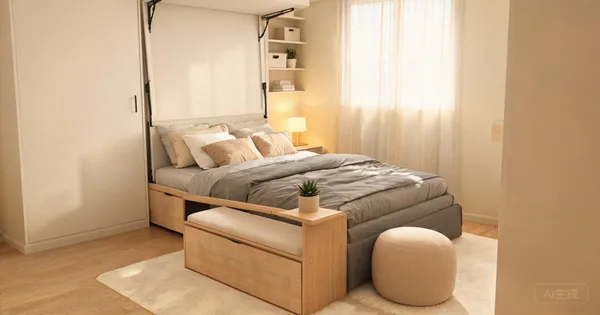
Multi-Functional Furniture: 10 Space-Saving Picks for 2026
Every piece should earn its square footage. Review 10 multi-functional furniture picks—from storage ottomans to murphy beds—that save space and add storage.
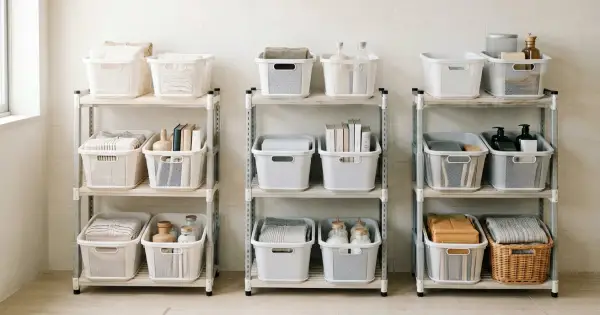
5 Best Foldable Storage Shelves 2026: Tested for Small Apartments
Foldable storage shelves are 2026's hottest small apartment essential. I tested 5 top models for durability, capacity, fold mechanism, and real-world use. Find the perfect one for your space.
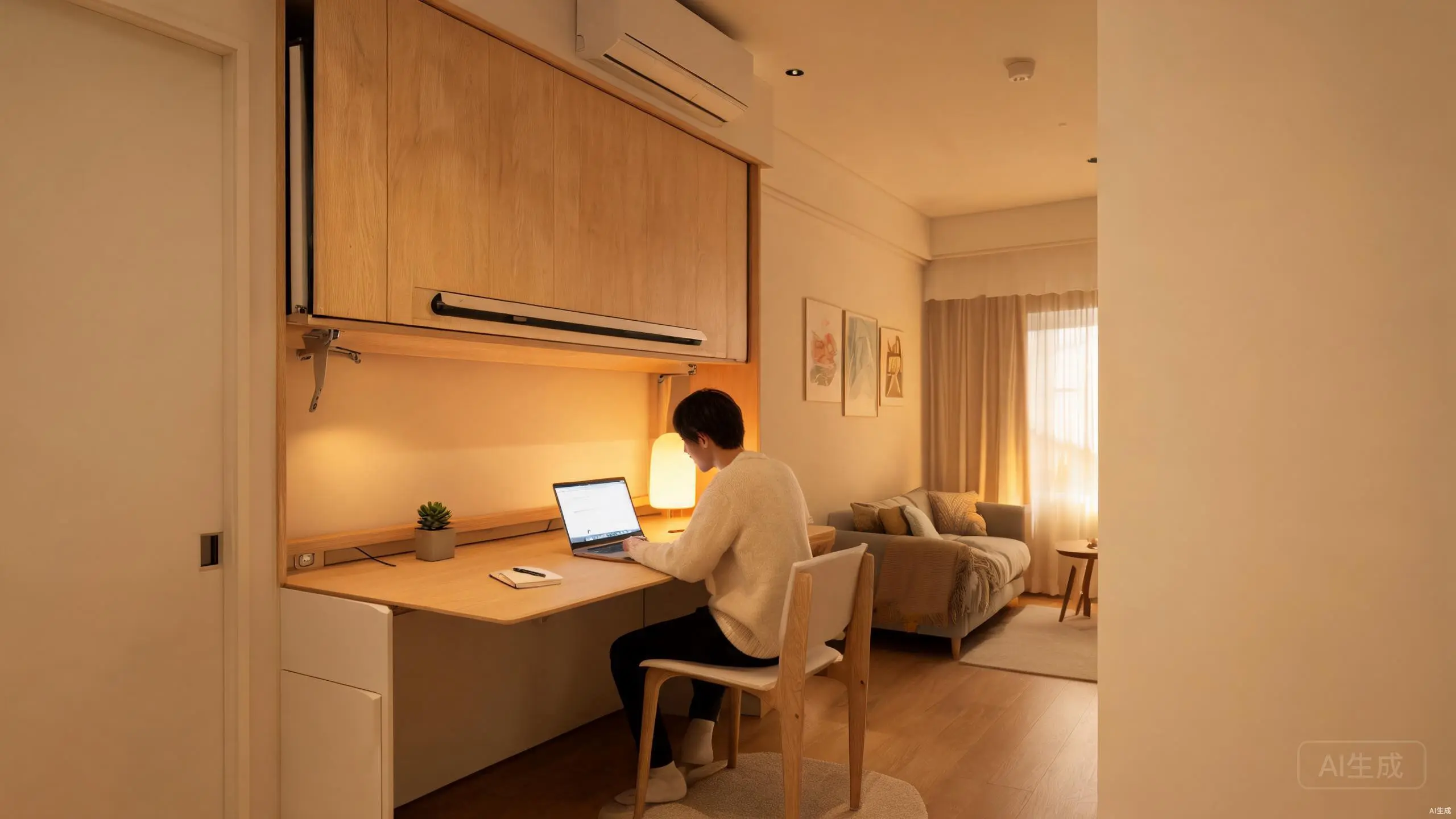
Murphy Bed with Desk: My 3-Month Test in a Small Apartment
I tested a murphy bed with desk in my 35 sq m apartment for 3 months. Here's what works, what doesn't, and which models are worth the money.
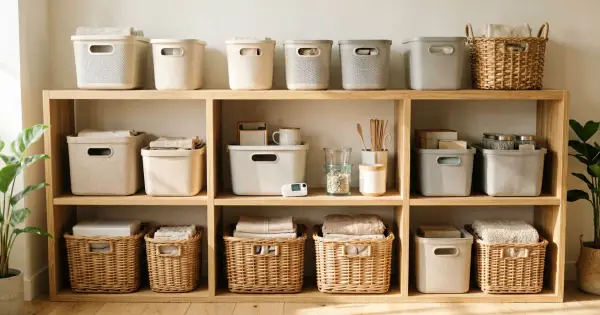
Smart Storage Systems 2026 Tested: Worth the Money or Gimmick?
I tested 5 smart storage systems for small apartments in 2026. From motorized shelves to app-controlled closets, here's what actually works and what's a waste of money.
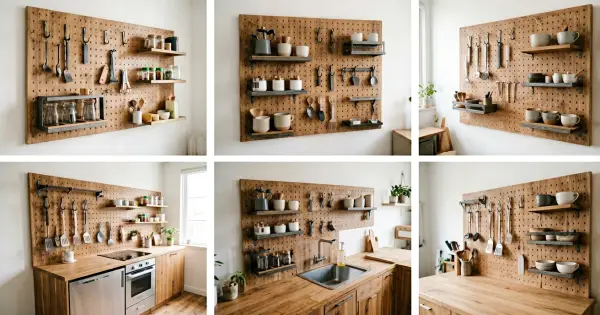
Pegboard Beyond the Kitchen: 6 Room-by-Room Setups
I tested pegboard setups in 6 rooms of my 35sqm apartment, from bathroom to entryway. Here's what works, what doesn't, and the exact hardware you need for each space.